
Free in-home measure and quote - PGT, CGI and CWS impact lines compared on your actual openings, style by style
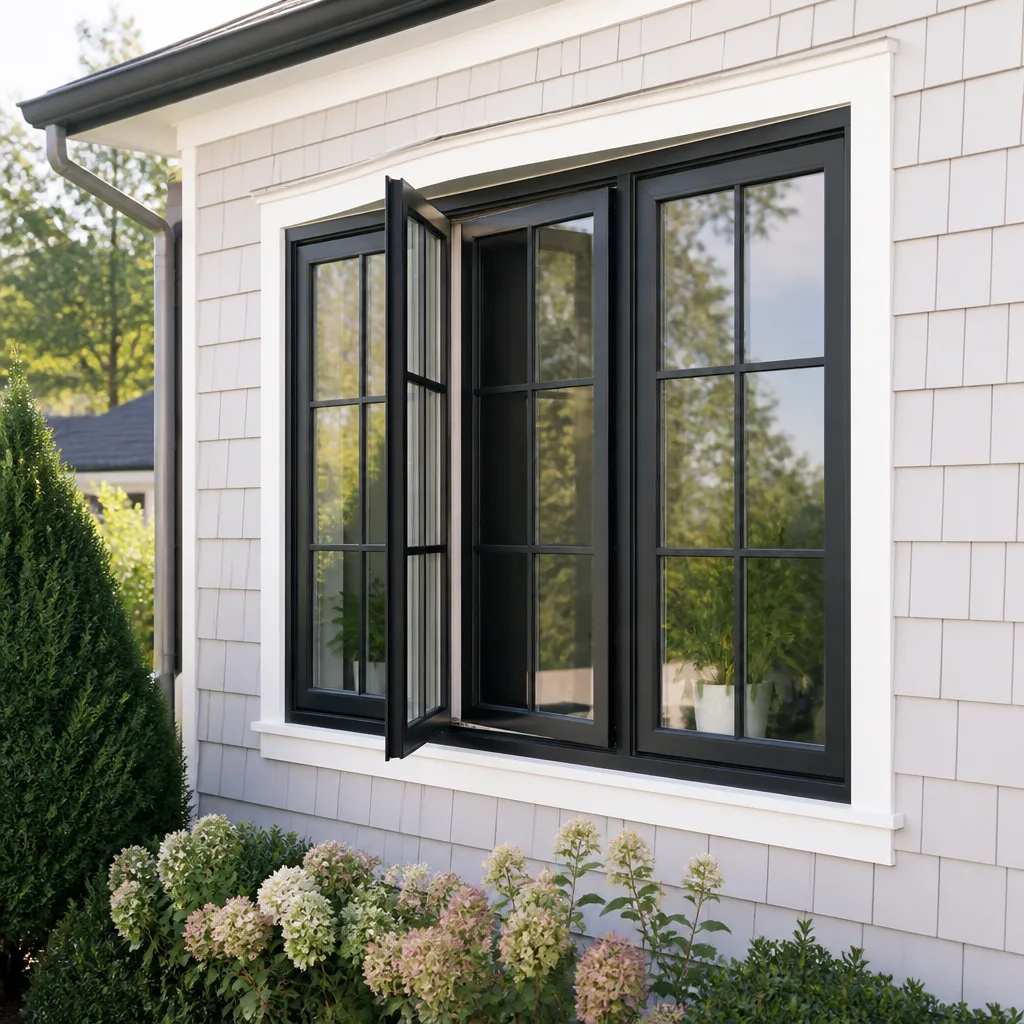
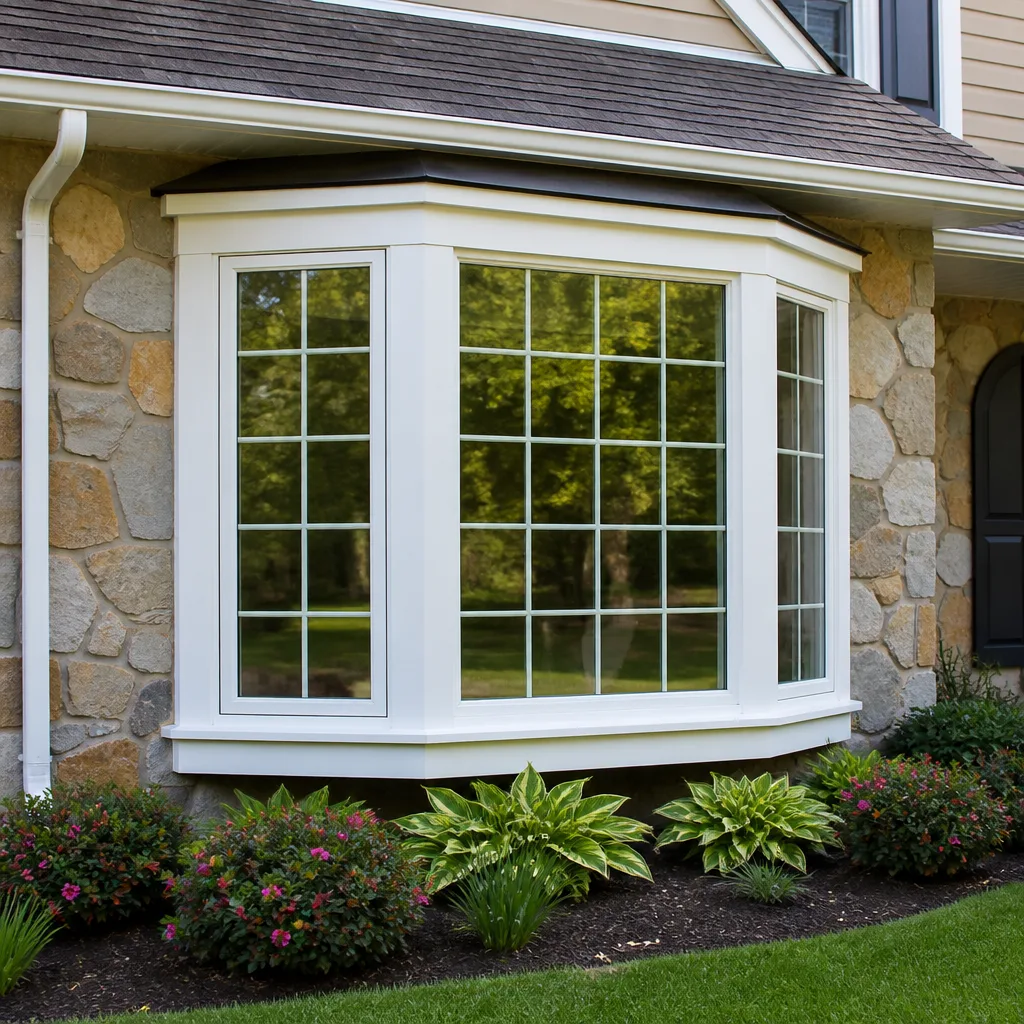
Sliding glass doors
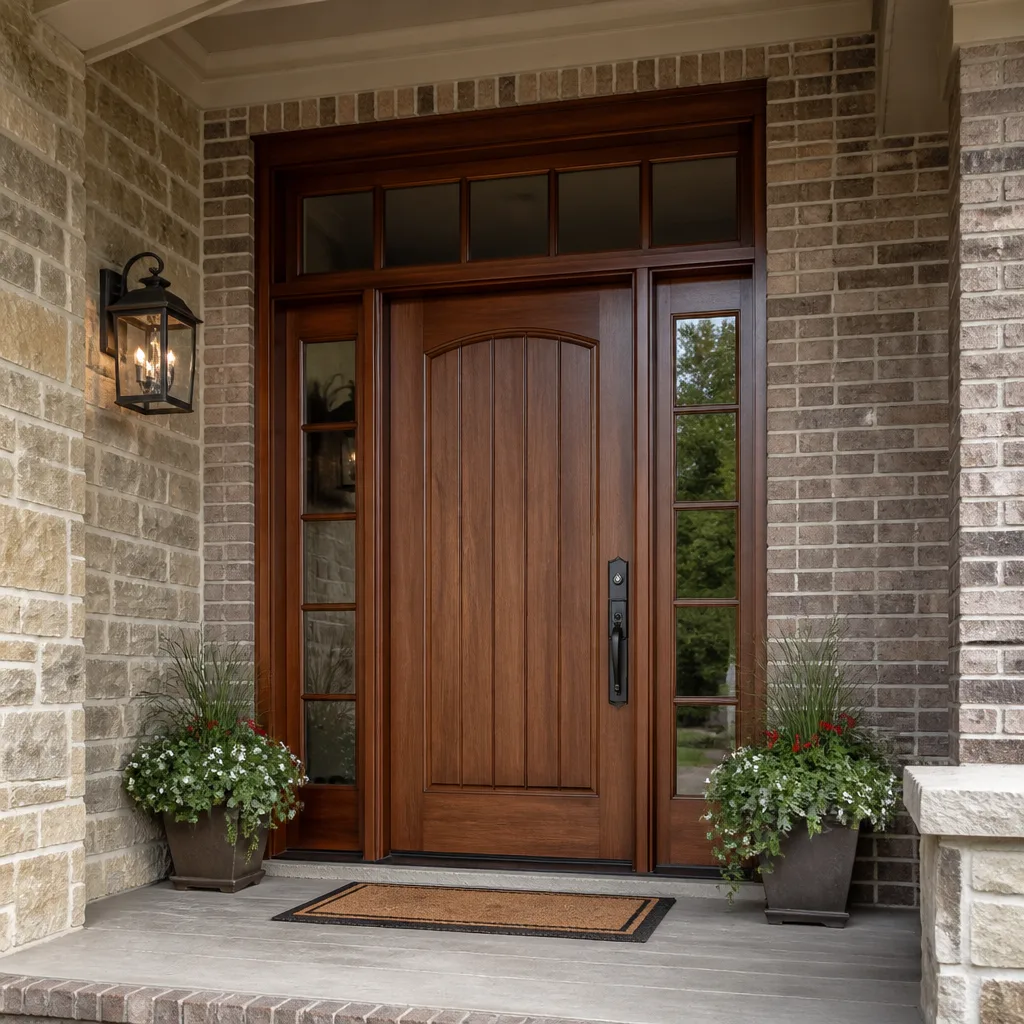
Impact garage doorsPGTCGI
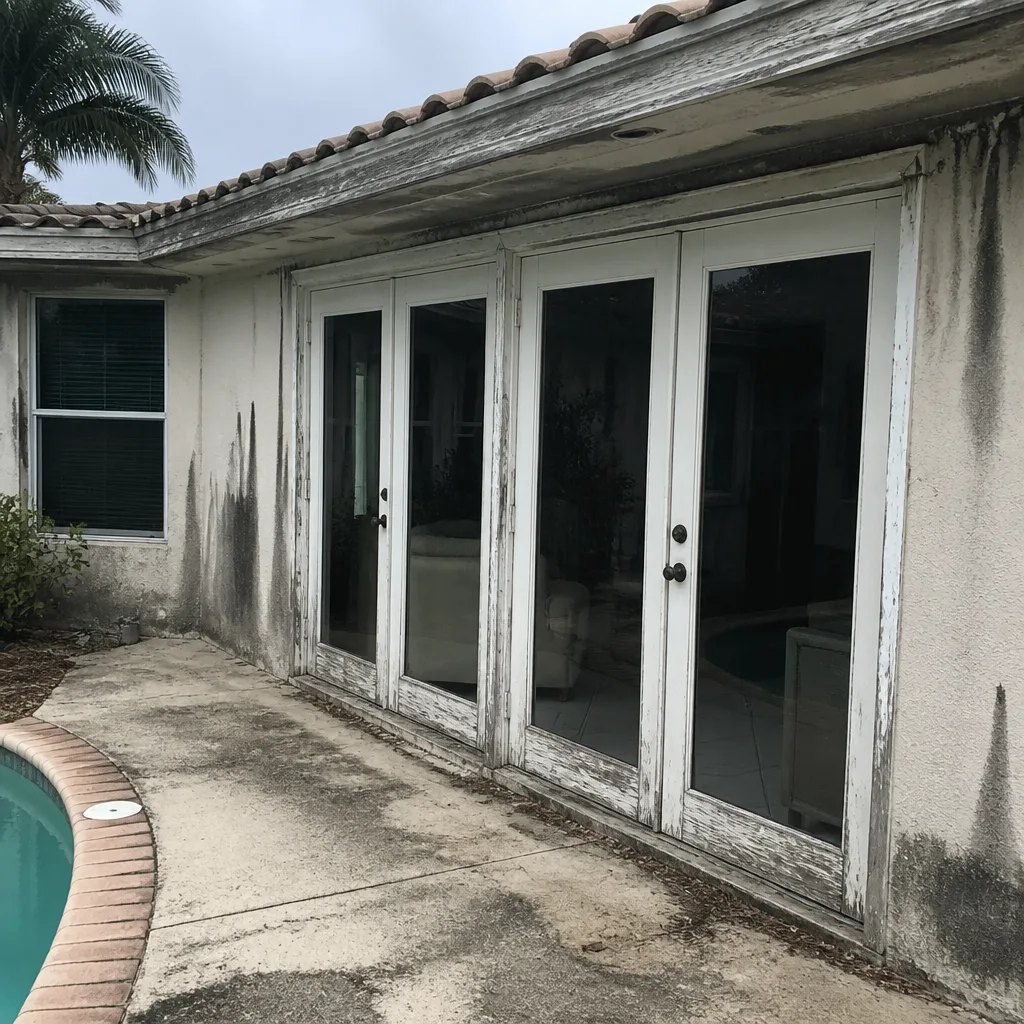 Before
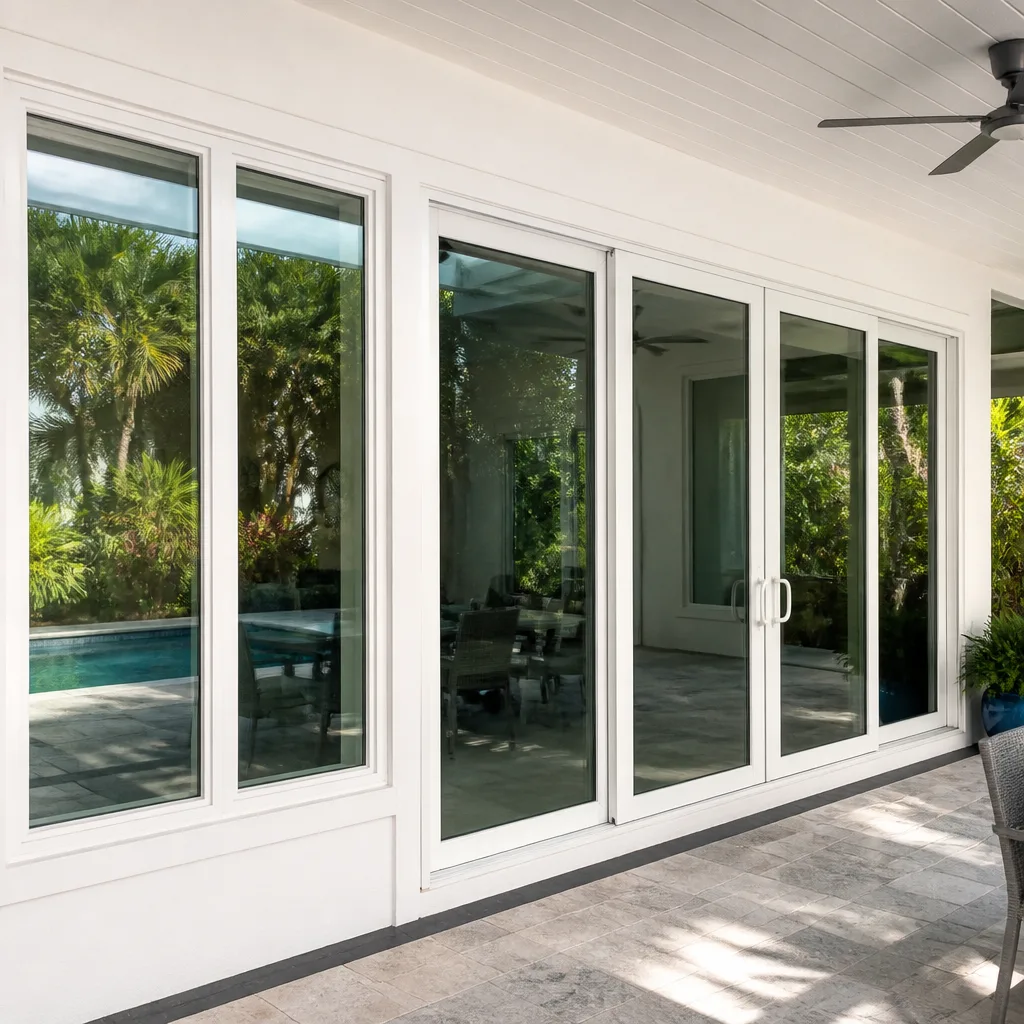 After
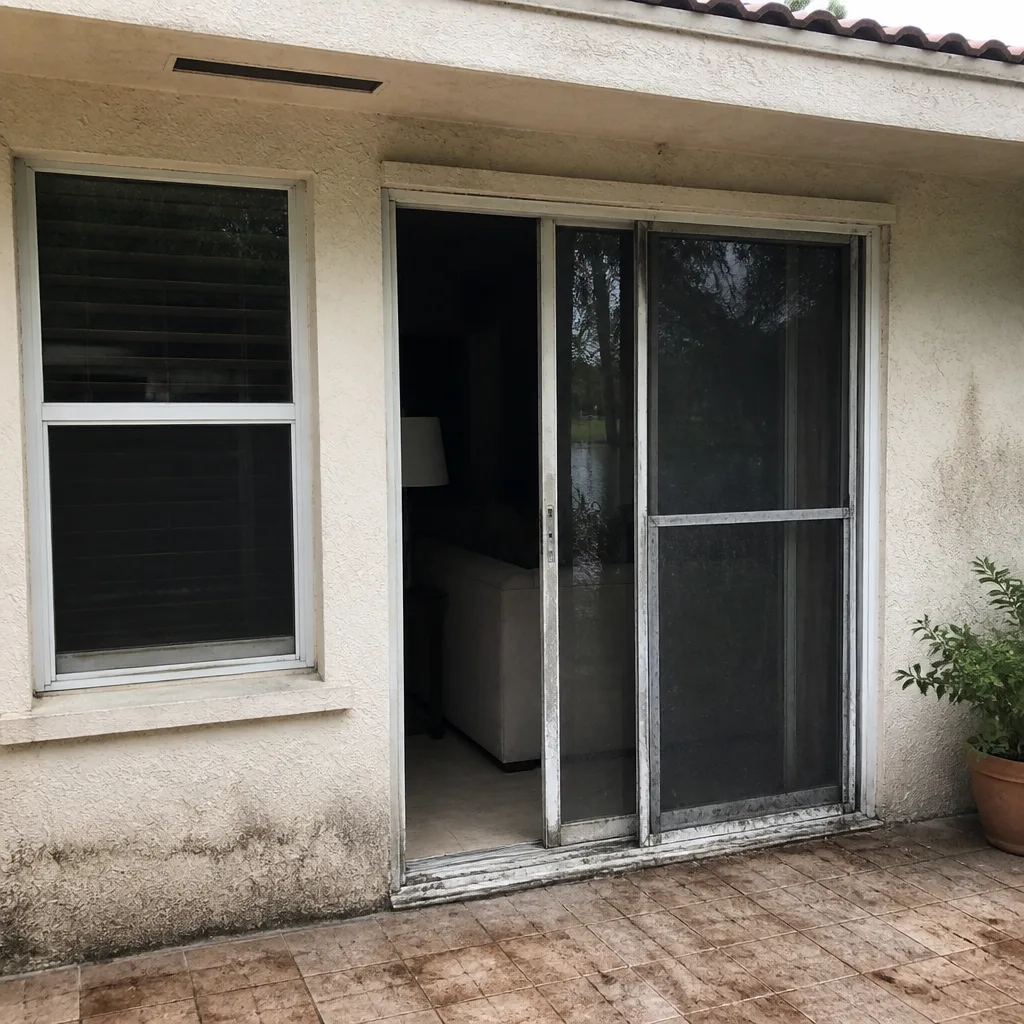 Before
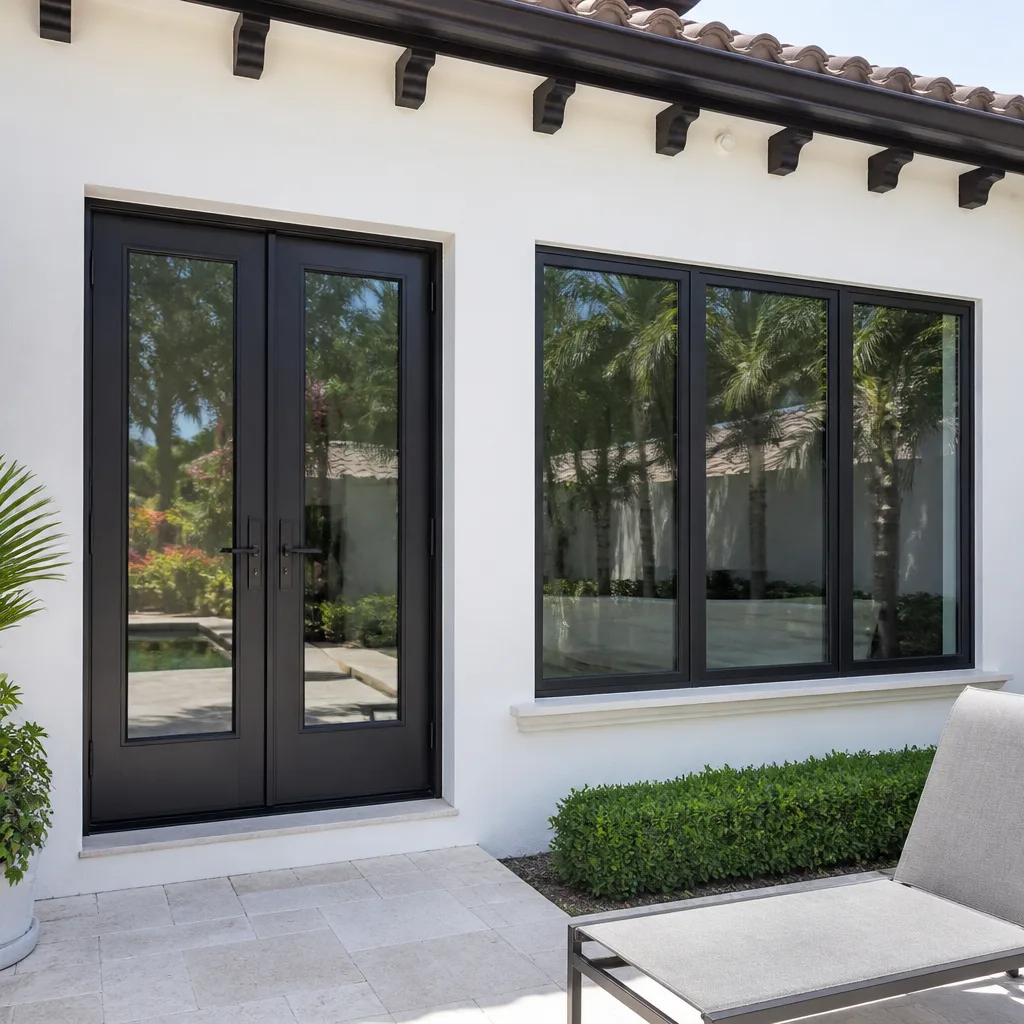 After
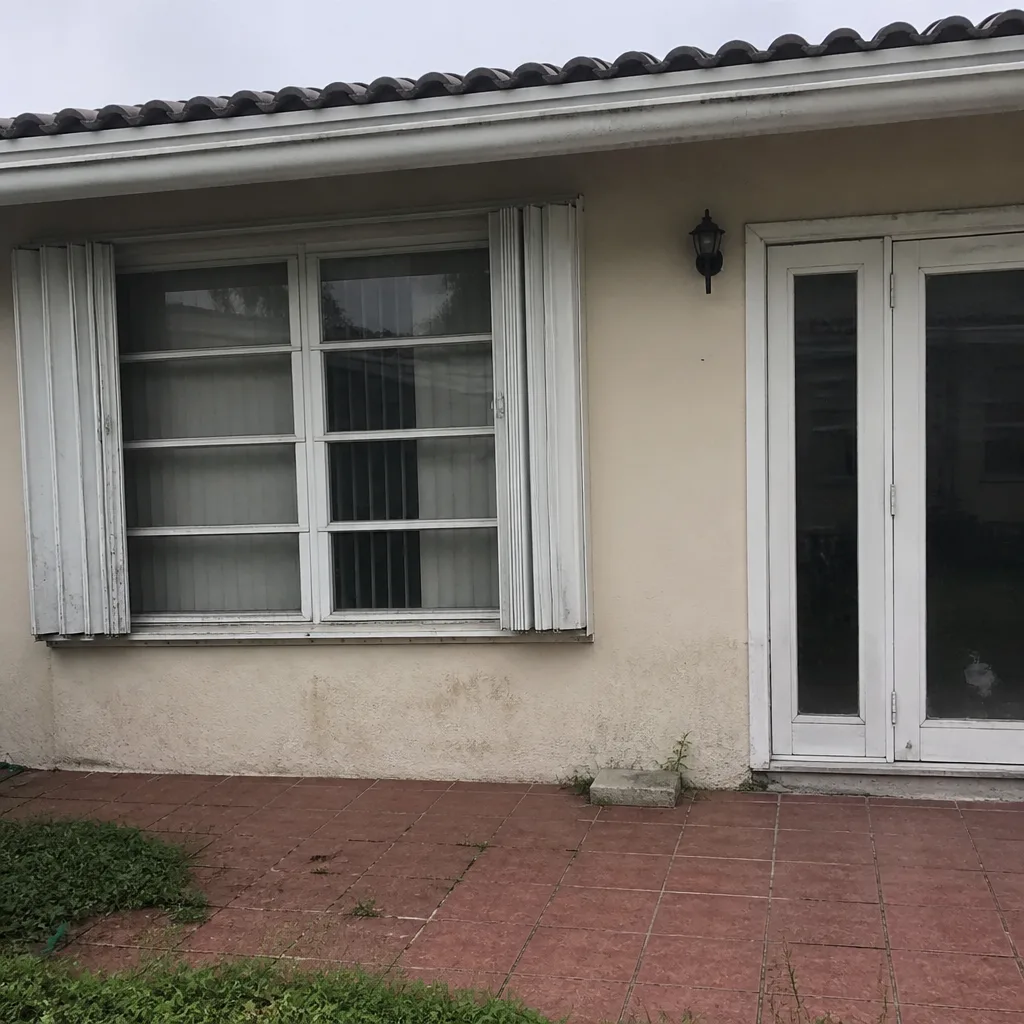 Before
 After
What Is a Miami-Dade NOA? A Straight Answer for Delray Beach Homeowners
A Miami-Dade NOA (Notice of Acceptance) is a document issued by Miami-Dade County’s Building Code Compliance Office that certifies a specific window or door product has passed impact testing and is approved for use in the High-Velocity Hurricane Zone. If you own property in Delray Beach, you will see this three-letter term on nearly every permit application for replacement windows and doors, because Palm Beach County defers to Miami-Dade’s approval process for impact-rated products. At TruePane Windows & Doors, we pull NOA documents on every impact job we bid, and we will show you exactly which one applies to your opening before any contract is signed. Call (561) 940-2917 if you need a straight read on what your house actually requires.
Why Miami-Dade Runs the Show for Delray Beach Homes
Most homeowners are surprised to learn their Delray Beach window permit depends on a document stamped by a county 70 miles south. The reason is simple: Miami-Dade has the strictest building code in the country after Hurricane Andrew, and its product testing protocol became the benchmark that Palm Beach County adopted. A NOA proves that a specific window model, in a specific size and configuration, survived testing for wind pressure, water infiltration, and airborne debris impact under conditions that match what a Category 5 storm can throw at a coastal structure.
There is a local wrinkle worth understanding. Delray Beach sits almost entirely inside Palm Beach County’s windborne debris region, which means the county will not issue a permit for exterior openings unless the product carries a valid NOA or a Florida Product Approval that references the same testing standard. Contractors who cut corners on this create a problem that lands in your lap: the product gets installed, the inspector red-tags it, and you are left with an unpermitted opening that affects your insurance renewal and your resale disclosure. We register the NOA number on every job folder before the first screw goes in.
What the NOA Actually Tells You, Line by Line
An NOA is not a generic certificate of quality. It is a product-specific document with a number, an issue date, an expiration date, and a set of limitations. Here is what we check on every one we pull:
- Product and manufacturer identification: the exact model series, glass type, and frame material tested.
- Approved sizes and configurations: a window may be approved at 48 inches wide but not 72 inches wide. Oversize units often require a separate engineering letter.
- Design pressure ratings: the structural and wind-load numbers that must match your home’s elevation and exposure category.
- Impact rating designation: whether the product passed large-missile (windows and doors under 30 feet of grade) or small-missile (upper floors) testing.
- Glazing and hardware limitations: some NOAs specify the only approved interlayer or the only approved locking hardware.
One of the most common problems we see in Delray Beach involves an NOA that is valid but mismatched. A homeowner gets a quote for a PGT or CGI impact window, the contractor orders a different size than what the NOA covers, and the inspector rejects the opening. The fix is not a conversation with the building department. The fix is a new window.
The Delray Beach Double Compliance Problem
Delray Beach layers a second approval on top of the NOA, and this is where neighboring cities have it easier. The city has multiple designated historic districts, including Del-Ida Park, Nassau Park, and the Marina District. In these areas, the Historic Preservation Board must sign off on window and door replacements for style, profile, and material compatibility. That means you need two things working at once: an impact-rated product with a valid Miami-Dade NOA, and a product that replicates the original architectural character closely enough to satisfy the HPB. In Boynton Beach or Boca Raton, the NOA alone usually gets the permit through the door. In a Delray Beach historic district, the NOA is just the first page of the application.
This is not a theoretical burden. Much of east Delray Beach’s residential stock is 1940s through 1960s CBS construction with original jalousie or awning windows set in masonry openings. Those openings were never designed for a modern impact unit, which means the frame depth, lintel condition, and rough opening dimensions all matter before you order the window. A contractor who quotes the window first and inspects the opening second is doing it backward. We measure every opening twice, as a matter of habit, and we will tell you if the NOA you need for a historically appropriate profile requires a custom size with a longer lead time.
Common Scenarios We See in Delray Beach
The Snowbird Condo on A1A
Units along the A1A condo corridor sit sealed from May through October. That is peak salt-humidity season, and it is when failed IGU seals and corroded hardware do their quiet damage. When owners return in November, they find fogged glass and deadbolts that will not turn. The NOA question comes up immediately: can the existing opening accept a current NOA-listed product, or did the original installation use a model that has since been delisted or discontinued. This is a November and December service surge we can set our calendar by, and it is why we keep PGT, and CGI samples in the truck all winter.
The Historic District Permit
You own a 1950s CBS home in Del-Ida Park with original awning windows. The seals are gone, the cranks are seized, and you want impact protection. The HPB will not approve a thick, modern frame profile that changes the look of the street-facing elevation. The solution is usually a slimmer profile from a manufacturer whose NOA covers the smaller sightlines, matched to the original muntin pattern. This takes longer to quote because we pull both the NOA and the HPB design guidelines before we recommend a product. There is no shortcut.
The East-of-Intracoastal Salt-Air Replacement
Properties east of the Intracoastal Waterway eat aluminum frames. Salt air oxidizes the metal, pits the finish, and corrodes stainless hardware faster than inland markets ever see. When we replace these units, we steer toward marine-grade finishes and hardware that the NOA documents specifically list for coastal exposure. It costs more up front. It costs far less than replacing the replacement in eight years.
A Quick Word on Cost
You will find generic pricing online that does not match what Delray Beach permits actually cost. Here is a straight breakdown of what we quote on most impact window and door work in this city:
| Scope | Typical Range | Notes |
|---|---|---|
| Single impact window replacement | $1,200 - $2,800 | Varies by size, frame material, and NOA match |
| Full-home impact window package | $18,000 - $45,000 | Depends on opening count and historic district requirements |
| Impact sliding glass door | $4,500 - $9,500 | Includes threshold and track replacement where needed |
| NOA document research and permit coordination | Included | We do not charge separately for pulling the right NOA |
If a quote comes in far below these ranges, ask to see the NOA number and confirm it matches the exact size and configuration being installed. If it is not in writing, it is not a guarantee, it is a conversation.
FAQs
A Miami-Dade NOA is issued by Miami-Dade County and certifies compliance with the High-Velocity Hurricane Zone building code, while a Florida Product Approval is issued by the state and covers the wider Florida Building Code. For Delray Beach, the NOA is the gold standard because Palm Beach County’s windborne debris region aligns with Miami-Dade’s testing protocol. Many products carry both, but the NOA is the document a Delray Beach inspector will ask to see first.
You need a NOA for any replacement window or door in an area subject to windborne debris requirements, which covers virtually all of Delray Beach, and you need it listed on the permit application before work begins. Interior windows, non-exterior glass, and some secondary glazing may be exempt, but the safe rule of thumb for exterior openings is that if the inspector can see it from the outside, it needs a NOA. Call (561) 940-2917 and we will confirm what applies to your opening.
No, not legally. Delray Beach building officials will not issue a permit for exterior window or door replacement without a valid NOA or equivalent Florida Product Approval that references the same testing standard. Some contractors offer “impact film” or non-rated glass as a workaround, but those products will not satisfy the permit requirement and they will not protect your home in a storm.
Look for a small label or etching in the corner of the glass that shows the manufacturer, the impact standard, and sometimes the NOA number itself. If the label is missing or illegible, we can often trace the product by its frame profile and glass construction, and we will pull the relevant NOA document from the county database to confirm. This matters most when you are selling a home, because the buyer’s inspector will ask for the same paperwork.
Get a Straight Answer on Your NOA Question
If you would rather have it looked at, TruePane Windows & Doors offers a no-pressure assessment in Delray Beach and the surrounding communities. We will check your openings, pull the correct NOA documents, and give you a written quote that includes the product, the approval number, and the permit path. Call (561) 940-2917 and ask for the Delray Beach NOA review. We answer the phone.
Written by the team at TruePane Windows & Doors.
Six Reasons Homeowners Choose TruePane Windows & Doors
Impact systems engineered to design pressures up to +/-100, matched to your wind zone - your openings hold when the storm arrives.
Low-E insulated impact glass from our manufacturer lines commonly cuts monthly cooling bills 20-30%.
Laminated impact glass shuts out up to 40% of outside noise - traffic, neighbors, weather.
Monitoring services run $30-90 a month. Laminated impact glass resists forced entry around the clock, with no subscription.
Florida homeowners average around 25% savings on the windstorm portion of their policy after protecting every opening - some homes qualify for more.
A full impact package upgrades curb appeal, buyer confidence and appraised value in one project.