
Free in-home measure and quote - PGT, CGI and CWS impact lines compared on your actual openings, style by style
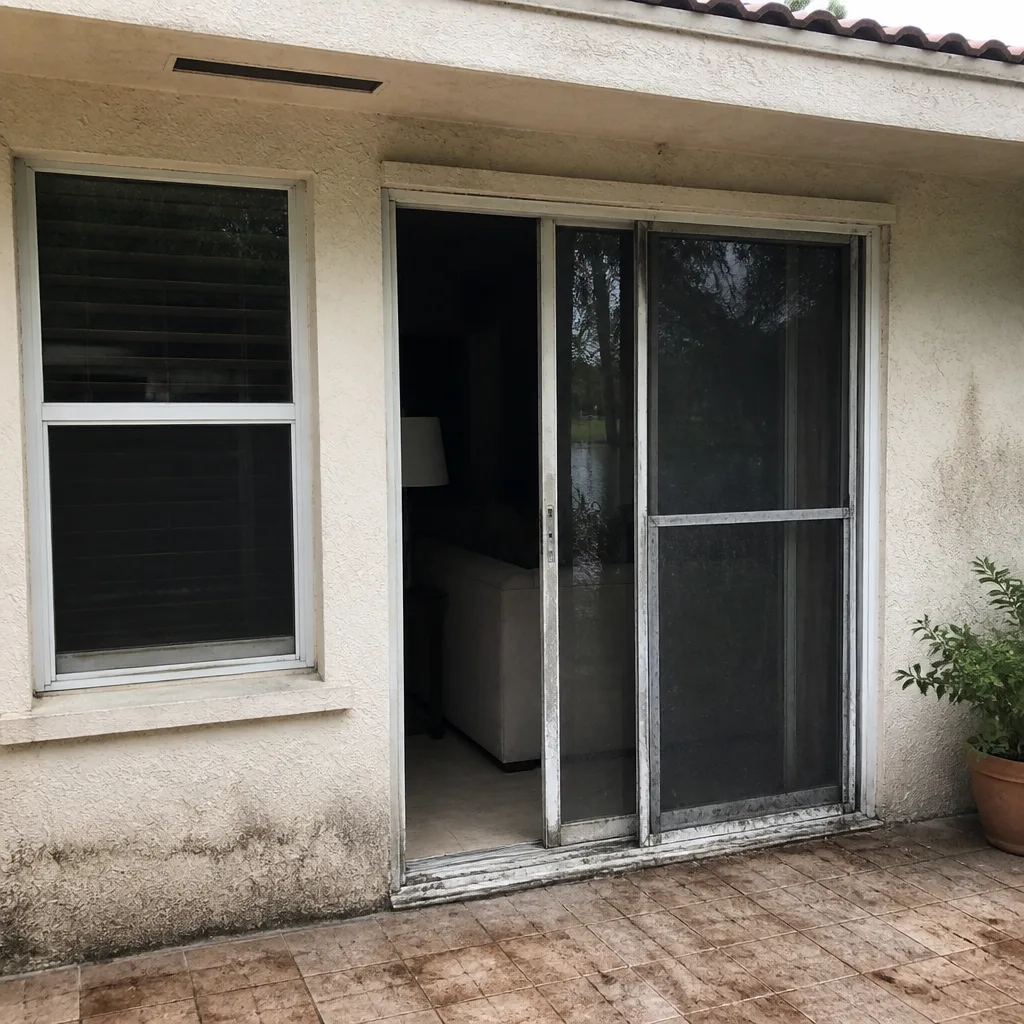
Sliding glass doors
Impact garage doorsPGTCGI
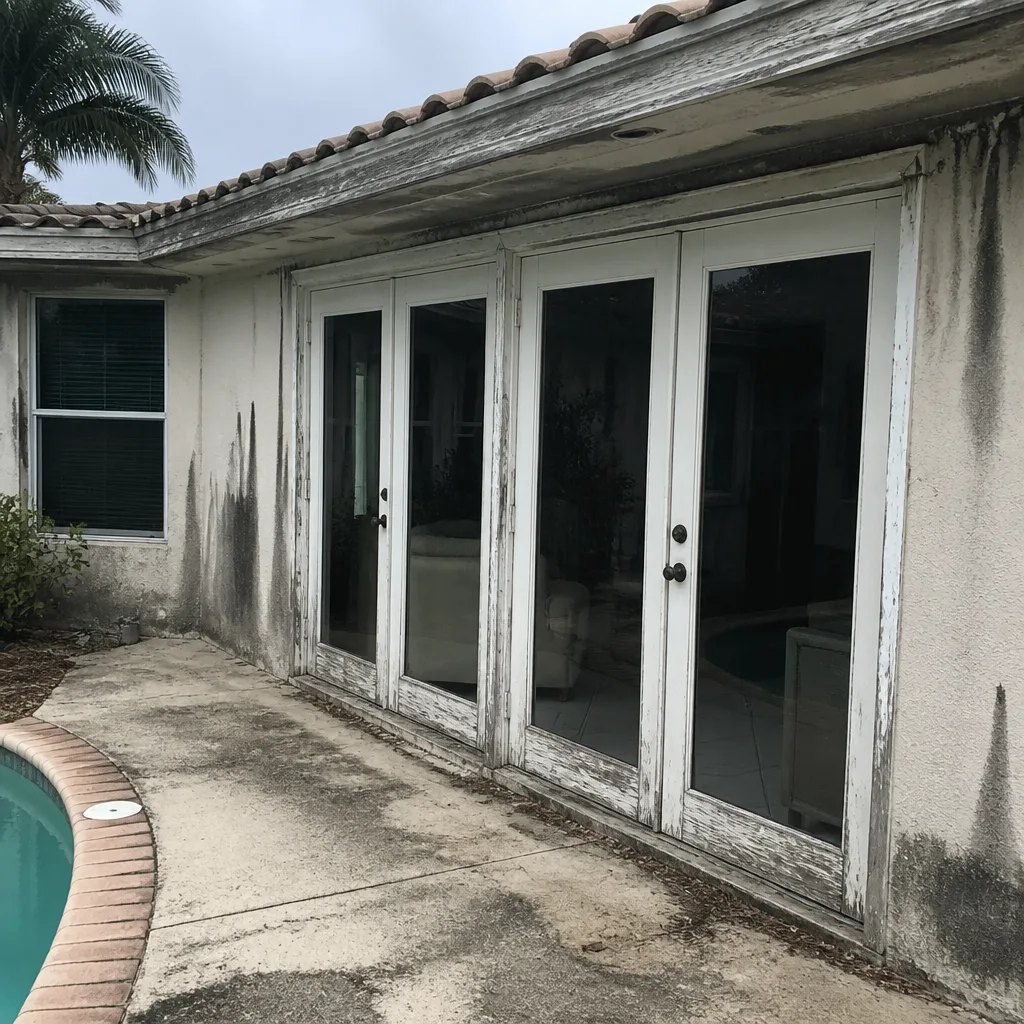 Before
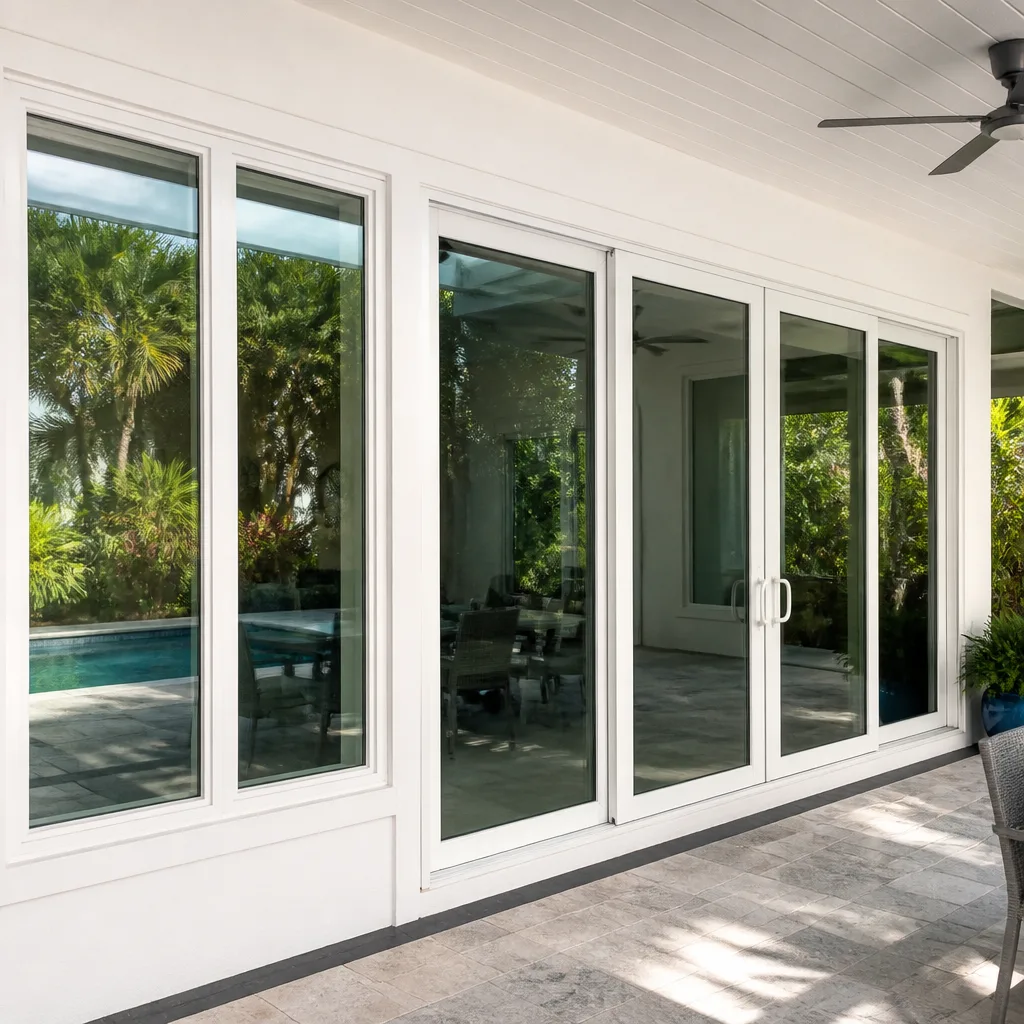 After
 Before
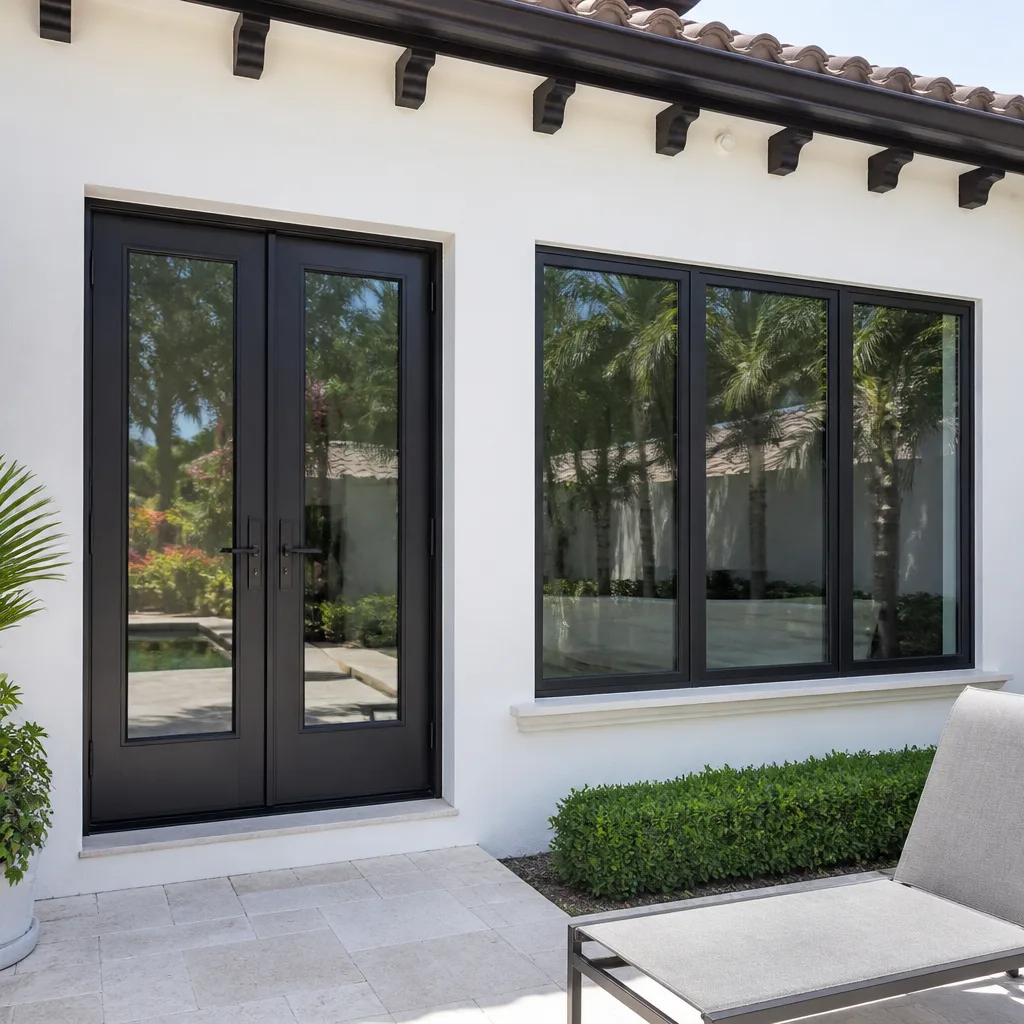 After
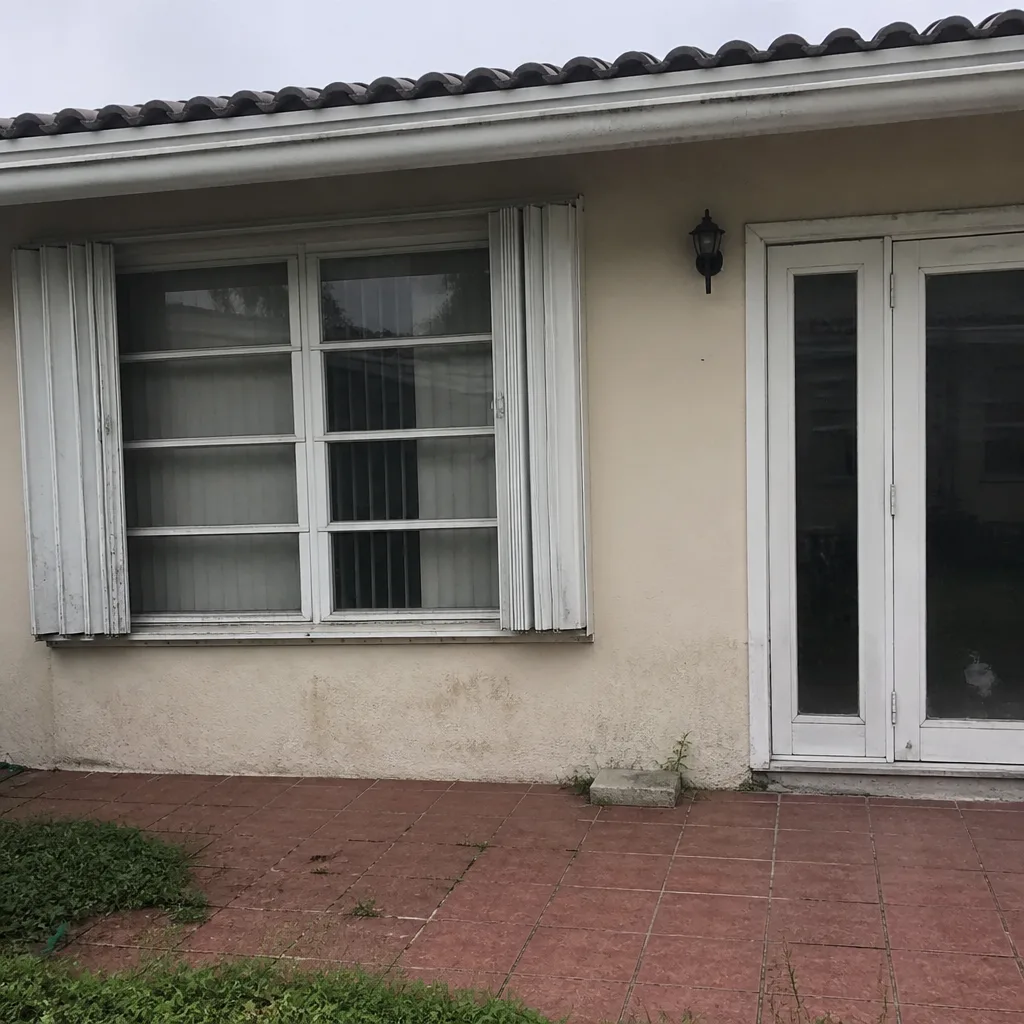 Before
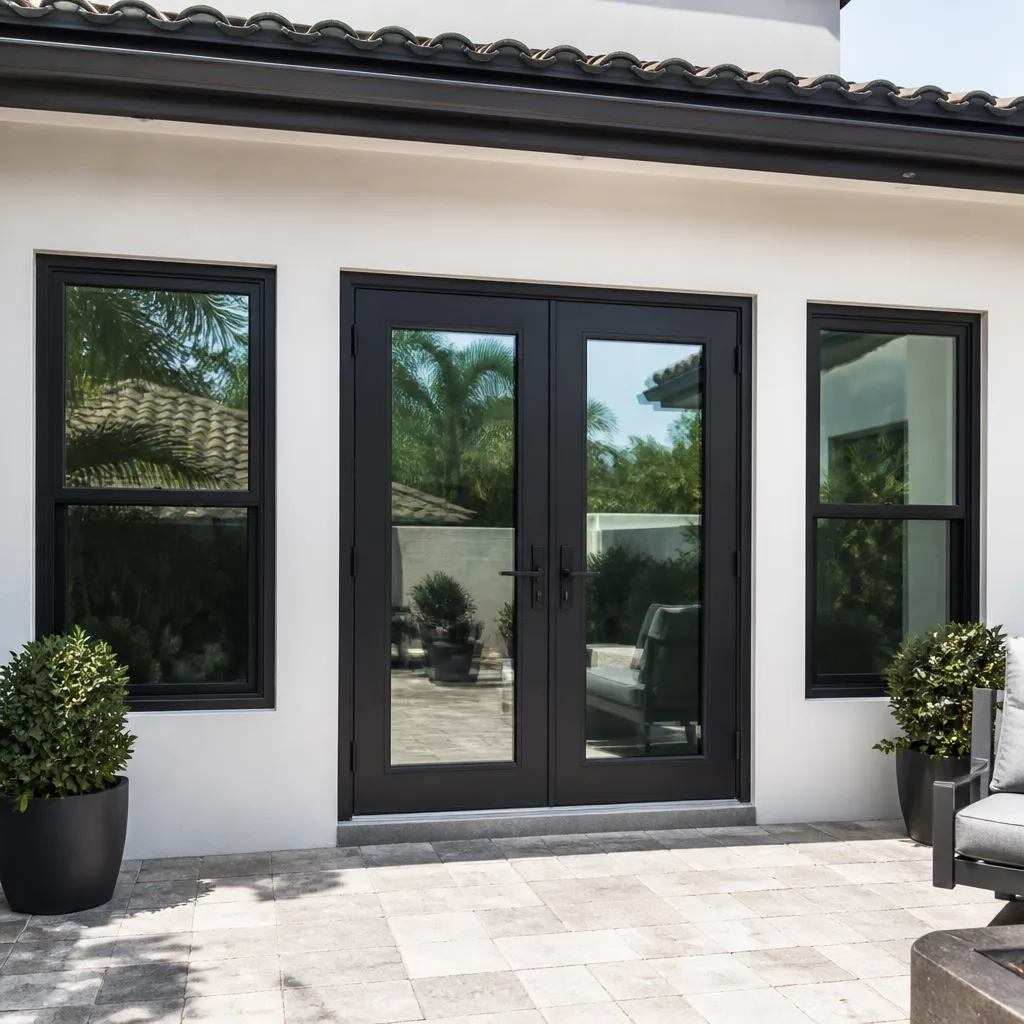 After
Do New Windows Save Energy in Delray Beach? Yes. Here’s What Actually Moves the Needle.
Yes, new windows save energy, and in Delray Beach the savings are often larger than they are inland because your air conditioner is fighting Atlantic heat and humidity for nine or ten months of the year. A properly installed impact-rated or Low-E replacement window can cut the solar heat entering a room by 40 to 60 percent compared to the original single-pane jalousie or awning units found in much of east Delray Beach’s 1940s and 1950s CBS housing. That translates to a measurable drop in cooling load, fewer hot spots near west-facing glass, and less strain on the compressor. The key phrase is “properly installed.” A high-performance window set into an uninsulated, out-of-true rough opening will underperform no matter what the sticker on the glass says.
What “Saving Energy” Actually Means in a Delray Beach House
Around here, the energy conversation is not about keeping heat in. It is about keeping heat out and conditioned air in. An original jalousie window, charming as it looks, leaks air the entire time the AC runs. The gaps around the glass slats, the aluminum frame that conducts heat directly through the masonry wall, and the absence of any real thermal break mean your system is running longer just to hold a set point. New windows with Low-E glass reflect a significant portion of the sun’s infrared energy before it ever becomes heat inside the room. That changes how often the thermostat cycles, especially in rooms that face south or west along Linton Boulevard or Swinton Avenue homes where afternoon sun is relentless.
We have measured openings in Delray homes where the existing frame was allowing enough outside air to flutter a piece of paper held at the seam. That is not an insulation problem, it’s an installation problem, and it is one of the first things we correct on any Window Installation in this area.
How the Math Works: Windows, Cooling Load, and Payback
Energy savings from replacement windows show up in two ways: reduced direct solar heat gain and reduced air infiltration. A typical 1,800-square-foot CBS home in Delray Beach with original single-pane windows might lose 20 to 30 percent of its cooling output to window-related air exchange. Replacing those units with double-pane, Low-E, argon-filled windows installed into sealed, insulated openings cuts the heat gain enough that many homeowners notice the AC running shorter cycles. The Department of Energy’s figures for hot, humid climates like South Florida put average annual energy savings from replacing single-pane windows at roughly $120 to $460 per year depending on house size, orientation, and existing shading.
But in Delray Beach the real payback is not fully captured by the energy bill. It is in comfort, in furniture and flooring that fades less, and in the fact that a sealed, impact-rated window system means you are not reheating a room from a dozen invisible leak points. The energy savings are real. They are also secondary to getting the install square and the rough opening properly sealed.
What Contributes to Real Savings
- Low-E glass reflecting infrared heat, not just heat rejection tint
- Argon or krypton gas fill between the panes reducing conductive heat transfer
- A true thermal break in the frame so aluminum is not conducting heat straight through the wall
- A sealed rough opening with backer rod and low-expansion foam, no daylight showing at the trim
- Proper shimming and squaring so weatherstripping compresses evenly and locks actually engage
The Delray Beach Factor: Why Salt Air and Wind Code Change the Energy Conversation
Nearly all of Delray Beach sits inside Palm Beach County’s High-Velocity Hurricane Zone. That means the same window that saves energy also has to survive windborne debris, and energy performance cannot be separated from impact requirements. A Low-E impact window from PGT or CGI, for example, uses a laminated interior layer to hold the glass together under impact. That laminate also blocks a substantial amount of UV and reduces sound. Homes east of the Intracoastal Waterway deal with salt-air oxidation that eats aluminum frames from the outside in. Once the frame starts pitting, it loses its seal, and the insulating gas leaks out. A fogged IGU is a window that is no longer saving energy, and we see more of that along A1A condo corridors than anywhere else in town.
Then there is the historic district wrinkle. In Del-Ida Park, Nassau Park, and the Marina District, the Historic Preservation Board must approve replacement windows for style, profile, and material compatibility. That means you can be required to install impact-rated windows that replicate the look of original wood or steel casements, a dual compliance burden that does not exist in most of Boynton Beach or Boca Raton. Done correctly, those windows still deliver modern energy performance. Done by a contractor who does not understand the board’s requirements, you end up with a window that satisfies code but leaks energy because the frame profile was compromised to match the historic look. A true custom glazing approach avoids both failure modes.
First-Hand Observation from Dale Kessler and the TruePane Crew
Dale Kessler grew up in the Lake Ida neighborhood of Delray Beach, and he has spent more than twenty years reading rough openings in this city. One pattern stands out in older CBS homes: the original concrete opening was never square, and the original installer shimmed a sloppy frame into a sloppy opening and called it done. The window itself might have been fine. The install was not. A high-performance replacement window set into that same opening with proper leveling, backer rod, and sealing transforms a persistent air leak into a stable thermal plane. Dale keeps one rule on the whiteboard in the shop: if the pane is not true, the job is not done. That rules applies to energy performance as much as it applies to aesthetics. As he says about warranty and performance claims: “If it is not in writing, it is not a guarantee, it is a conversation.”
Key Takeaways
- New windows save energy most effectively when they address both solar heat gain and air infiltration, not just glass efficiency.
- In Delray Beach, impact-rated Low-E windows serve double duty: energy performance and windborne-debris code compliance.
- Homes east of the Intracoastal face salt-air frame corrosion that quietly destroys window seals and erases energy savings within a few years.
- Historic district homes require a dual compliance approach that preserves architectural character without sacrificing energy performance.
- Installation quality affects energy savings more than glass specs alone. A square, sealed opening is the difference between a window that saves energy and one that looks like it should.
Common Local Scenarios We See
The Original Jalousie That Will Not Hold 78 Degrees
Homeowner in a 1950s CBS house near Old School Square calls us because one bedroom runs five degrees warmer than the rest of the house. The window is an original aluminum jalousie facing southwest. We remove it, inspect the lintel, and find the masonry opening can take a correctly sized single-hung or casement impact unit with Low-E glass. After install, the room holds the set point and the AC still cycles normally. The homeowner’s complaint was comfort; the energy savings came along for the ride.
The Fogged IGU in a Snowbird Condo
A seasonal owner returns to a condo off A1A in October and finds the sliding door glass fogged between the panes. The seal failed over the summer, and the homeowner has been paying to cool a room while the window quietly lost its insulating gas. We replace the IGU with a marine-grade finished unit and register both warranty layers before we leave. The door now performs as designed and the AC is not fighting a dead thermal break.
The Historic District Replace-and-Match
A house in the Marina District needs windows that satisfy the Historic Preservation Board and the building department at the same time. We work through the approval with the homeowner, source an impact-rated custom unit that matches the original profile, and set it into an opening we re-squared before install. The home keeps its character, meets wind code, and gains a Low-E coating the original windows never had.
FAQs
In Florida’s hot, humid climate, replacing single-pane windows with Low-E, double-pane units typically reduces cooling energy use by 15 to 30 percent depending on house size, orientation, and the condition of the existing windows. Savings are highest when the original units are leaky jalousies or failed-insulated units.
Yes. Impact-rated windows from manufacturers like PGT and CGI are built with Low-E glass and insulating gas fill, so they deliver the same solar heat rejection as non-impact energy-efficient windows. The laminated impact layer also blocks a meaningful amount of UV, which protects flooring and furnishings from fading.
In most cases, yes, when you factor in lower cooling bills, reduced fading of interior finishes, improved comfort, and the windborne-debris code requirements that effectively mandate impact-rated units for any permitted replacement in Delray Beach. A free estimate from a contractor who measures twice and quotes side by side will tell you whether your specific house justifies the investment. Call (561) 940-2917 and we’ll walk you through it.
With proper installation, quality Low-E and impact-rated windows in South Florida typically last 25 to 35 years for the glass and 20 to 30 years for the frame finish, though homes east of the Intracoastal may need hardware replacement sooner due to salt-air corrosion. The seal and glass warranty periods depend on the manufacturer, and we register those layers for you in writing.
Get a Straight Answer on Your Windows
If you would rather have someone look at the openings and tell you what is actually leaking, TruePane Windows & Doors offers a no-pressure assessment in Delray Beach. We measure, we explain, and we quote on paper. Call (561) 940-2917 and we will be there when we say.
Written by Dale Kessler, Owner, TruePane Windows & Doors at TruePane Windows & Doors, serving Delray Beach, FL.
Six Reasons Homeowners Choose TruePane Windows & Doors
Impact systems engineered to design pressures up to +/-100, matched to your wind zone - your openings hold when the storm arrives.
Low-E insulated impact glass from our manufacturer lines commonly cuts monthly cooling bills 20-30%.
Laminated impact glass shuts out up to 40% of outside noise - traffic, neighbors, weather.
Monitoring services run $30-90 a month. Laminated impact glass resists forced entry around the clock, with no subscription.
Florida homeowners average around 25% savings on the windstorm portion of their policy after protecting every opening - some homes qualify for more.
A full impact package upgrades curb appeal, buyer confidence and appraised value in one project.