
Last updated August 27, 2026
Free in-home measure and quote - PGT, CGI and CWS impact lines compared on your actual openings, style by style
Sliding glass doors
Impact garage doorsPGTCGI
 Before
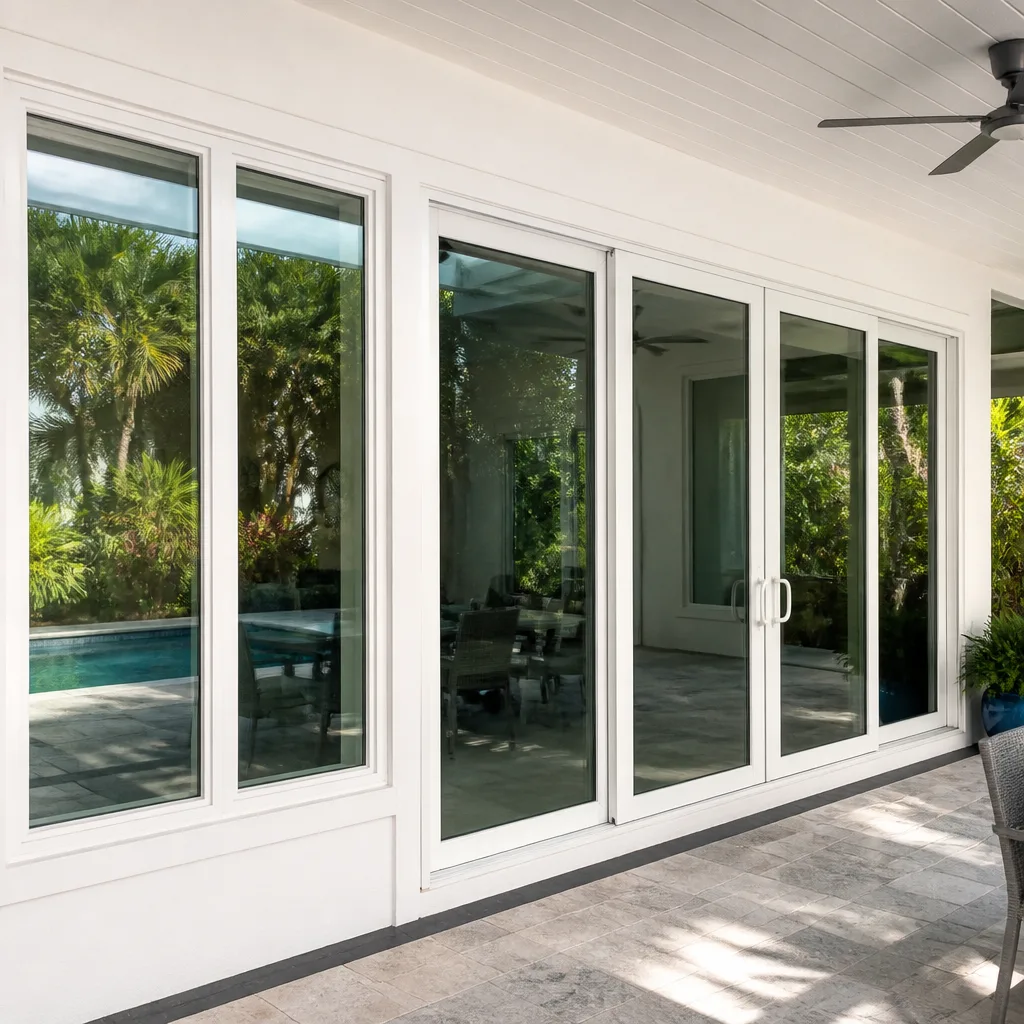 After
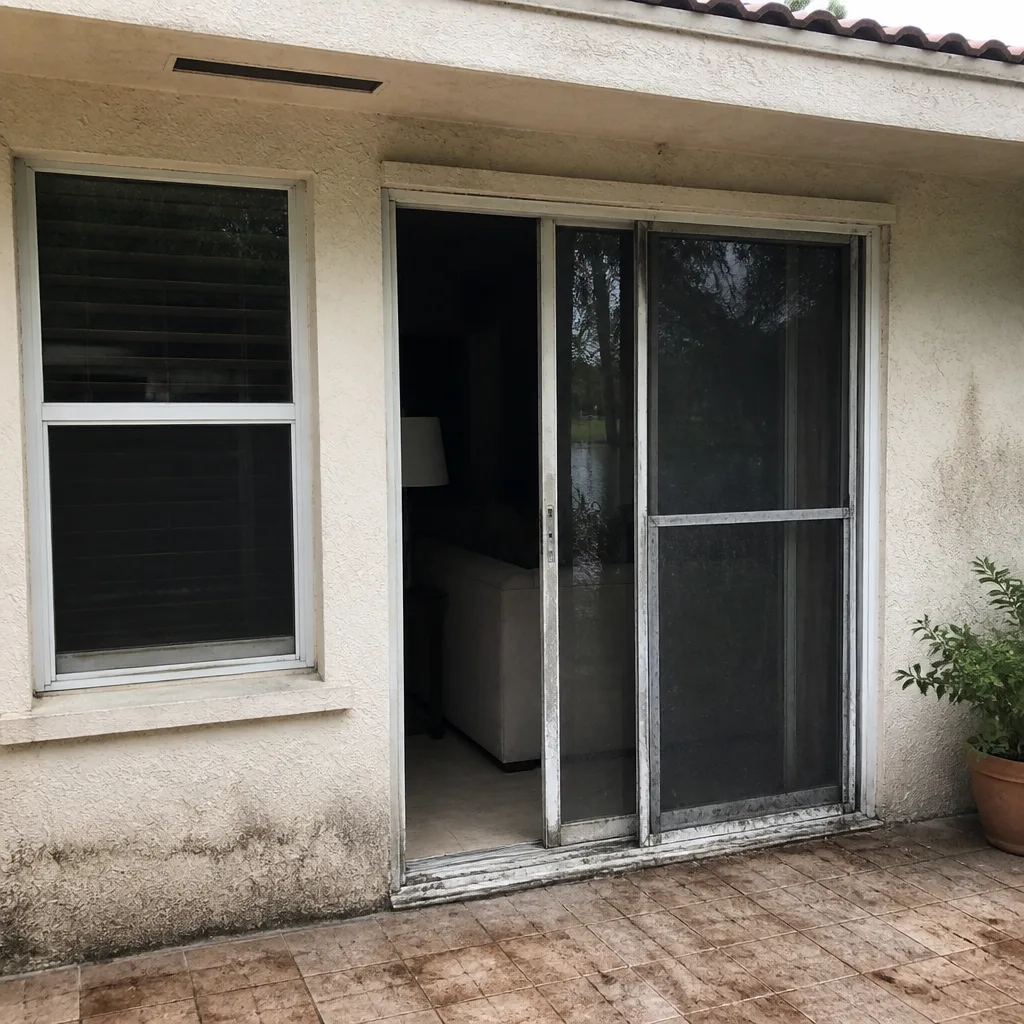 Before
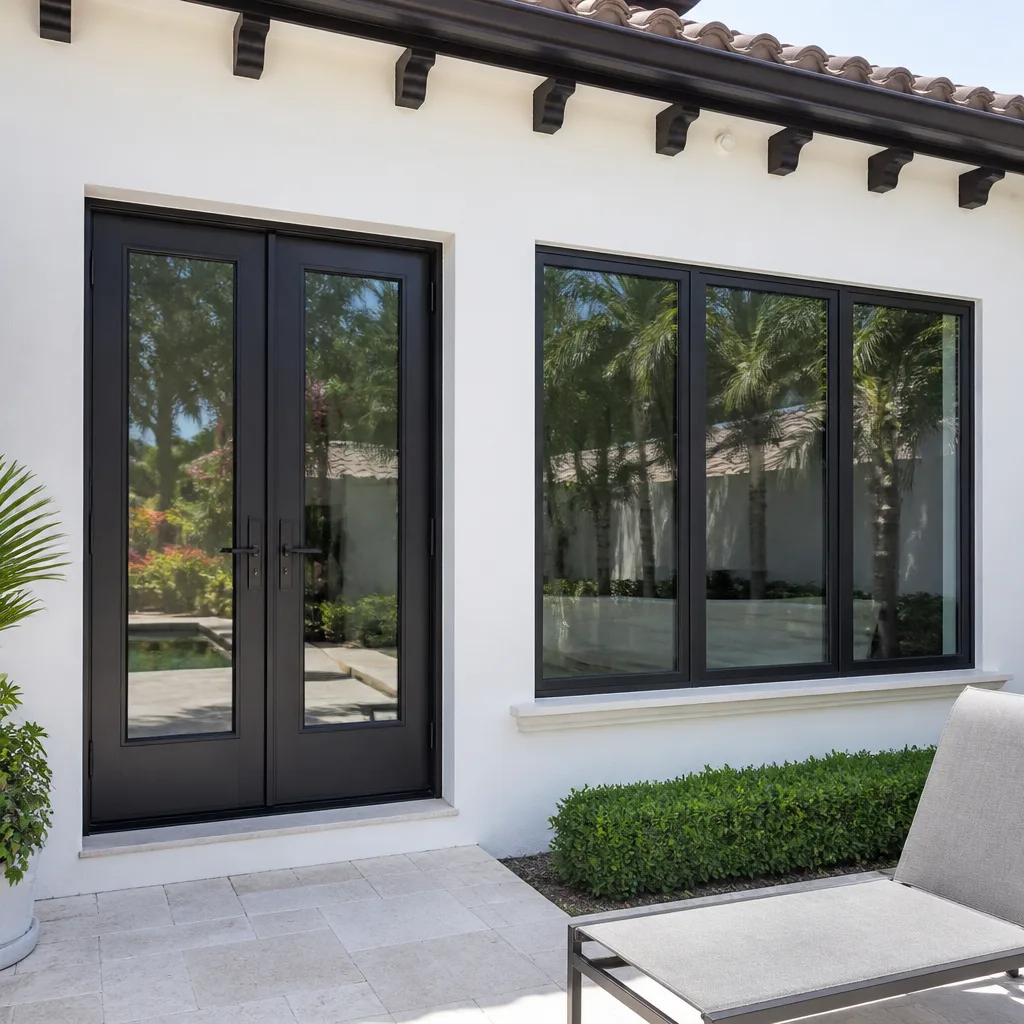 After
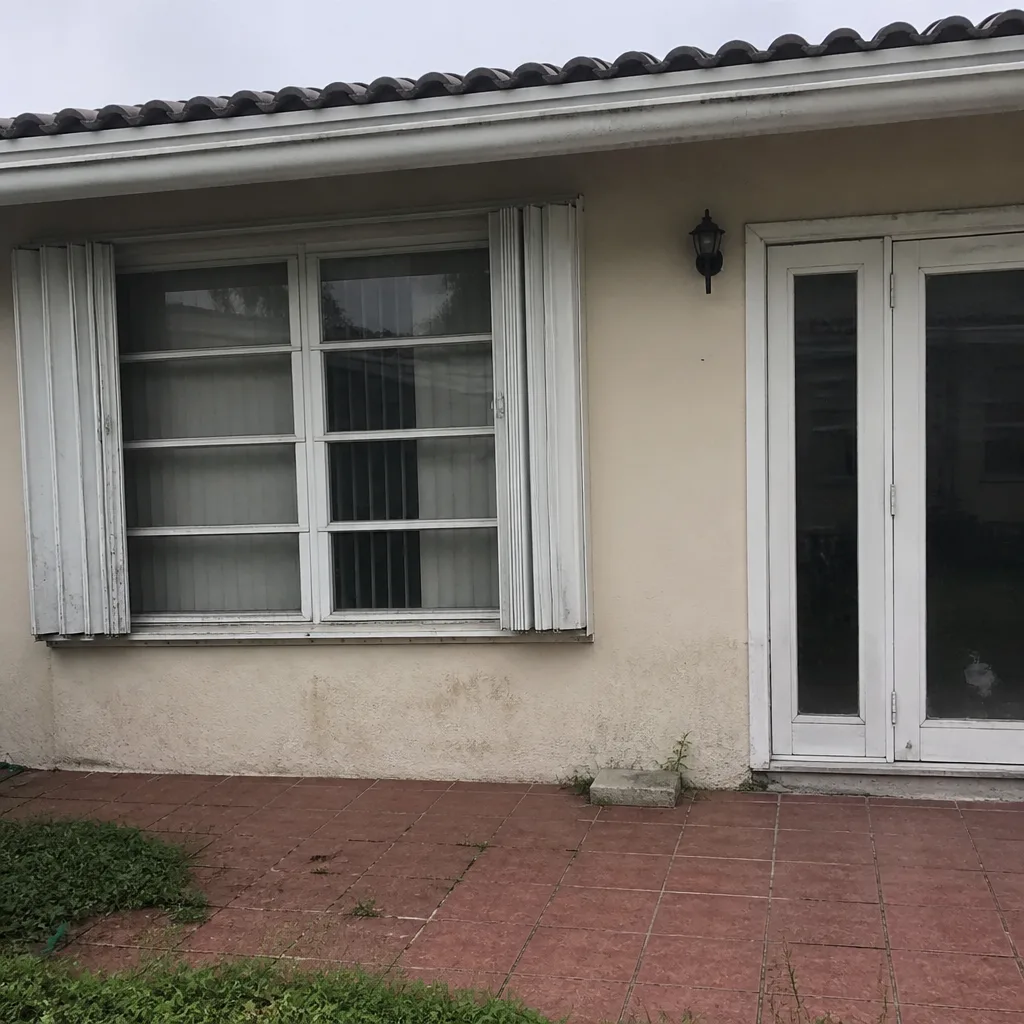 Before
 After
Windows & Doors Permits, Codes & Inspections in FL: What You Need to Know
Florida processes over 400,000 residential window and door permit applications every year, and roughly one in five gets rejected on the first submission for missing product approval documentation. That’s not a small inconvenience; it’s a delay measured in weeks while your openings sit covered in plastic. This guide walks through the permit process, the Florida Building Code requirements that actually apply to your house, what inspectors look for in Delray Beach, and the paperwork traps that cost homeowners time and money. You’ll learn what triggers a permit, what current code mandates for wind and impact resistance, how inspections work, and how to avoid the mistakes we’ve watched cost local homeowners dearly.
Quick Answer
In Florida, replacing windows and doors requires a permit in nearly every municipality, including Delray Beach. Any window or exterior door replacement must meet the 7th Edition (2023) Florida Building Code, which mandates impact-resistant products or approved shutters in most of Palm Beach County’s wind-borne debris region. Plan on a permit application, one or two inspections, and a final sign-off from the building department before the job is legally closed.
Table of Contents
- Florida Permit Requirements for Windows & Doors
- Understanding the Florida Building Code: Wind, Impact, and Energy
- Delray Beach Permitting: What the City Actually Requires
- Product Approvals and NOAs: The Paperwork That Makes or Breaks a Permit
- The Inspection Process: What Happens After You Pull the Permit
- What Permits Cost and How Long They Take
- Common Mistakes to Avoid
- When to Call a Professional
- Frequently Asked Questions
- The Bottom Line
Florida Permit Requirements for Windows & Doors
Here’s the short version: if you’re removing and replacing a window or exterior door in Florida, you need a permit. The Florida Building Code (FBC) requires it, and every local jurisdiction we work in enforces it. There are narrow exceptions for like-for-like single window replacements in some counties, but Delray Beach is not one of the places that looks the other way. Even swapping out a sliding glass door for a different size opening pulls a structural review.
The reason Florida treats window and door permits seriously comes down to wind. A window that fails during a hurricane doesn’t just let rain in; it pressurizes the house and can lift the roof. That’s the failure chain the code is written to prevent. When you apply for a permit, the building department is verifying three things: that the product meets Florida’s wind load requirements for your exact location, that the installation method matches the product’s approved details, and that the opening is flashed and sealed correctly against the state’s driving rain conditions.
The permit process in Delray Beach follows this general sequence:
- Site assessment and measurements. Every opening is measured and documented. Wind zone, exposure category, and the home’s elevation all factor into what the code demands.
- Product selection with Florida Product Approval. You need windows or doors with a Florida Product Approval number or a Miami-Dade NOA (Notice of Acceptance). Without this paperwork, the permit application stalls at the counter.
- Permit application filing. Your contractor files with the City of Delray Beach Building Division, including product approval documents, installation details, and a site plan noting which openings are being replaced.
- Plan review. The building department checks the application against wind load maps and the 7th Edition FBC. This typically takes one to two weeks in Delray Beach.
- Permit issuance. Once approved and fees are paid, you’re cleared to begin work.
Homeowners sometimes ask whether they can pull their own permit. Legally, yes, a homeowner can act as their own contractor on a property they occupy. Practically, we’ve watched this go wrong enough times that we won’t soft-pedal it: the liability shifts entirely to you, and the building department holds you to the same documentation standard as a licensed contractor. If a product approval number is wrong or a detail doesn’t match, you’re the one making three trips to the counter on NW 1st Avenue.
Understanding the Florida Building Code: Wind, Impact, and Energy
Florida has its own building code for a reason. The FBC is stricter on windows and doors than any statewide code in the country, and for good reason: a single failed opening can turn a Category 3 storm into a torn-apart house. The 7th Edition (2023) Florida Building Code, which became effective December 31, 2023, controls what you can install in Delray Beach right now.
Two code requirements apply to nearly every window and door replacement in Palm Beach County:
- Wind-borne debris protection. Delray Beach is squarely inside Florida’s wind-borne debris region, which means every exterior opening must be impact-resistant or protected by an approved shutter or panel system. The design pressure rating your product needs depends on your exact location, but for homes east of I-95 in Delray Beach, we typically see design pressures in the 50 to 70 PSF range. West of I-95, the numbers come down slightly but rarely below 45 PSF.
- Energy performance. Florida is in Climate Zone 1, and the code caps U-factor and Solar Heat Gain Coefficient (SHGC) values for fenestration. The 7th Edition tightened the prescriptive SHGC cap to 0.23 across most of South Florida. That’s a meaningful change from the 6th Edition, and older stock or clearance windows won’t meet it.
There’s a nuance here most homeowners miss: impact resistance and energy performance are separate ratings. It’s possible to buy a window that meets the wind code but fails the energy code, or vice versa. The product approval document lists all of this, and that’s the paper your plans examiner is actually reading. If you’re buying windows through a contractor and they can’t produce the Florida Product Approval for the exact model they’re quoting, walk away. That’s not a red flag; it’s a stop sign.
For coastal homes near the Intracoastal in Delray Beach, there’s another layer: salt spray exposure dictates hardware and frame material choices that resist pitting and corrosion. The code doesn’t mandate stainless hardware in every location, but smart installs use it. We’ve replaced more than a few doors near the water where the steel hinges had corroded to the point that the door sagged and the head jamb started binding.
Delray Beach Permitting: What the City Actually Requires
Delray Beach runs its own building department, which means the city enforces the FBC with its own local amendments, fee schedule, and inspection cadence. Anyone who tells you “Florida doesn’t require a permit for that” is giving you advice from some other ZIP code. In Delray Beach, you’ll file with the Building Division, and they’re thorough. Not unreasonable, but thorough.
For a typical window and door replacement project, the city requires:
- A completed permit application identifying the scope: which openings, how many, and what products.
- Florida Product Approval documents for every window and door model being installed. Generic catalog pages won’t cut it; the city wants the actual FL number or Miami-Dade NOA.
- Two copies of the manufacturer’s installation instructions, specifically the Florida-approved details.
- A site plan or floor sketch showing which openings are being worked.
- If the project changes the size of any opening, a structural review and possibly an engineer’s letter.
The city’s inspectors, in our experience, focus on the things that fail in storms and leak in summer. Expect an inspector to check that the window is anchored per the product approval, that the flashing integrates with your existing wall system, and that impact glazing is installed in the correct orientation if the product is directional. They’ll also verify mullion assemblies between joined windows were built per the manufacturer’s tested detail, not improvised on site.
One thing that catches out-of-town contractors off guard: Delray Beach requires a final inspection and sign-off before a permit is closed. If your contractor skips the final because “the work’s done anyway,” you will have an open permit hanging on your property. That becomes a problem when you sell the house. Buyers’ inspectors flag open permits, title companies ask questions, and deals stall. We’ve closed out more than a few permits that other companies left open.
Product Approvals and NOAs: The Paperwork That Makes or Breaks a Permit
Here’s the document that separates a straight-backed permit process from three weeks of added delay: the Florida Product Approval. Every window and door installed in Florida must carry either an FL Product Approval number issued by the state or a Miami-Dade NOA (Notice of Acceptance), which Florida accepts statewide. The product approval is a stack of engineering documents that proves the product was tested to survive the wind loads Florida demands, and it includes the specific installation details the building department expects your contractor to follow.
The product approval isn’t just proof the window won’t break. It specifies how the window gets attached to the house: fastener type, fastener spacing, through the frame or through the flange, anchor count per side. The plans examiner checks this against the submitted installation details, and if they don’t match, the permit gets kicked back. This is why we won’t install a window without its product approval in hand, and why we quote manufacturer lines side by side on paper so you can see exactly what you’re buying. Brands like ES Windows, ECO Window Systems, CWS all maintain Florida Product Approvals for their impact lines, but each one has different attachment requirements depending on the application.
The product approval also lists the design pressure rating, the impact test standard it met (large missile, small missile, or both), and the water infiltration rating. For Delray Beach homes east of Federal Highway, large missile impact is the standard; the code assumes wind-borne debris is going to hit the window hard. West of I-95, small missile ratings sometimes suffice, but we’d encourage any homeowner to verify against their exact wind zone rather than guess.
What happens if your product doesn’t have an approval? Your permit gets rejected. There’s no workaround, no grandfather path for a new install, no “my contractor said it’d be fine.” If you’re buying windows from a big-box store, check the model number against the Florida Product Approval database before you pay. If the SKU isn’t listed, you just bought a patio door that can’t legally be installed in your house.
The Inspection Process: What Happens After You Pull the Permit
Once the permit is issued and the old windows come out, the inspection schedule drives the project. In Delray Beach, window and door replacement projects typically run through two inspections: a rough or anchoring inspection after the new units are set but before interior trim or caulking hides the fasteners, and a final inspection once everything is complete.
Here’s what the inspector is actually checking:
- Product match. Is the installed product the same model and size approved on the permit? If you approved a PGT 7600 and installed a cheaper unit, the inspector can flag it and stop the job.
- Fastener type and spacing. The product approval shows the pattern; the inspector samples a few openings. Through-frame anchors with the specified screws, at the specified intervals, into the specified substrate.
- Flashing and weatherproofing. Florida inspectors look hard at sill flashing, jamb flashing, and head flashing integration. This is the difference between a house that’s dry for twenty years and one that rots out the wall sheathing in five.
- Impact glazing orientation and labels. Impact glass is often directional; installed backward, the lite fails. The inspector verifies the etch or label is visible and oriented correctly.
- Mullion assemblies. If two windows are joined into one opening, the mullion must be built per the manufacturer’s tested detail and sealed as a tested assembly.
If an inspection fails, the permit stays open and you’re back on the schedule for a reinspection. Some failures are trivial; some are not. We’ve seen reinspection fees pile up on projects where the installing crew didn’t have the product approval details on site and just guessed at anchor spacing. The best defense is to hire a contractor who treats the product approval as the installation bible, not a formality.
After the final inspection passes, the permit closes and the job is done. Keep the closed permit documentation with your home records. When you sell, the buyer’s agent will ask whether any work was done without permits, and “yes, and here’s the closed permit” is a much better answer than “I think so.”
What Permits Cost and How Long They Take
Permit fees in Delray Beach are based on the valuation of the work, and for a typical full-house window replacement, the permit fee runs somewhere in the $200 to $500 range plus any plan review surcharges. It’s not the biggest line item on the job, but it’s not free, and anyone who tells you they’ll skip it to save you money is saving you a few hundred dollars and costing you a future headache.
Timelines depend on how busy the building department is and how clean the application is. In Delray Beach, plan review for a straightforward window and door permit typically runs five to ten business days. If corrections are needed, each correction cycle adds another week or more. A clean application with product approvals included and installation details matching the approvals will clear in one round. An application with missing or mismatched documentation will bounce, and we’ve watched that add three to four weeks to projects that should have been straightforward.
Here’s a realistic schedule for a typical Delray Beach window and door replacement project:
- Measure and product selection: 1 day on site, plus ordering lead time for impact products (4 to 10 weeks depending on the manufacturer).
- Permit application and filing: 1 to 2 days of paperwork.
- Plan review: 1 to 2 weeks.
- Installation: 1 to 3 days for most homes, depending on how many openings.
- Inspections: 1 to 5 days, depending on schedule availability.
- Final sign-off and permit close: 1 to 3 days after the final inspection passes.
Lead time on the products themselves is often the longest leg. Impact windows from ES Windows or ECO Window Systems run four to eight weeks on average, longer during the spring rush when everyone in Palm Beach County decides to harden their house before hurricane season. If you’re planning a replacement, start the process in the fall or winter, and you’ll be installed and inspected before the summer storms arrive.
Common Mistakes to Avoid
- Skipping the permit entirely. We’ve already covered this, but it bears repeating: unpermitted window and door work becomes your problem at resale, at insurance renewal, and if the installation fails and the manufacturer denies a warranty claim because there’s no permitted install on record. In Delray Beach, the city can also issue a code violation for unpermitted work.
- Buying windows without Florida Product Approval numbers. A window that’s sold in Florida isn’t automatically legal to install in Florida. Verify the FL number or Miami-Dade NOA before money changes hands. If you can’t find it, the window either isn’t approved for your wind zone or it’s a model that was replaced by an updated design.
- Assuming impact glass is optional. If your house is in Delray Beach’s wind-borne debris region (and it is), impact protection isn’t a preference; it’s the code. Shutters can satisfy the requirement on some existing windows, but replacement windows in new openings need to meet the standard on their own.
- Letting a contractor pull the permit, then never seeing the inspections. An open permit with no inspections is worse than no permit at all in some title searches. Confirm the permit numbers, track the inspections, and get the closed permit documentation when the job is done.
- Using an out-of-town installer who doesn’t know Delray Beach’s amendments. The FBC is statewide, but local amendments and inspection practices vary. A crew from Broward County may do fine work, but if they don’t know that Delray Beach’s inspectors are strict about mullion details, you’ll find out at inspection time.
- Confusing your insurance discount for code compliance. Some homeowners install impact windows to get a wind-mitigation insurance discount and assume that covers the code. The discount is nice; the permit and inspection are what keep the work legal. They’re separate things.
When to Call a Professional
There are aspects of window and door replacement that a careful homeowner can handle, and there are aspects that should be left to someone who does this every day. If you’re replacing a single window with the exact same size and the product approval is straightforward, a homeowner permit is manageable. If you’re changing opening sizes, working on a second story, dealing with a mulled assembly, or installing impact glass where the anchor schedule matters, call someone who carries the liability and knows what the inspector in Delray Beach is going to look at. The same goes for any repair involving a failed impact lite or a door with a sagging frame; those jobs turn structural faster than they look. TruePane Windows & Doors offers free estimates in Delray Beach - call (561) 940-2917 and we’ll walk you through what your project needs, permit included.
Frequently Asked Questions
Yes. Delray Beach requires a permit for window and exterior door replacement, including like-for-like swaps. The only way to avoid a permit is to leave the existing window frame and sash in place, and that’s a repair, not a replacement. Call (561) 940-2917 and we can confirm the permit path for your exact scope.
None. Florida has no exemption for impact windows based on quantity. Some jurisdictions in other states allow up to a certain number of openings without a permit, but Florida’s wind-borne debris requirements mean every replacement opening needs product approval documentation and an inspection. Delray Beach enforces this consistently.
Most homes in Delray Beach require windows with a design pressure rating between 50 and 70 PSF, depending on your exact location, home height, and exposure category. Homes east of I-95, particularly near the Intracoastal, typically need large missile impact ratings. The product approval document for your specific window lists the rating, and the building department verifies it matches your wind zone. For an exact answer on your address, call (561) 940-2917 for a free estimate.
Plan on one to two weeks for plan review once the application is filed, assuming the product approvals are in order and the installation details match. Corrections add another week per cycle. The full timeline from product selection to final inspection is usually six to twelve weeks, with product lead time being the longest variable. Start in the fall or winter, and you’ll beat the spring rush.
It shouldn’t, if your contractor quoted a fixed price and did the measurements correctly. The permit fee is a fixed cost from the city, and the product price is locked once ordered. Where prices do change: rot discovered behind the old window, termite damage in the rough opening, or a code upgrade that surfaces during plan review. A good contractor flags these before work starts, not as a surprise line item on the final bill. TruePane quotes fixed prices and we don’t add mystery line items.
Both are valid statewide, and both prove the product was tested to Florida’s wind and impact standards. The Miami-Dade NOA is the older, more rigorous process; the Florida Product Approval is the state standard. In practice, the building department in Delray Beach accepts either document for permit review, and some products carry both. What matters is that the document exists for the exact model and size you’re installing.
The Bottom Line
Windows and doors in Florida aren’t just another home improvement; they’re a wind-rated component of the building envelope, and the permit process exists because failures here have consequences measured in lives and homes. Pull the permit, use products with Florida Product Approvals, match the installation to the approved details, and get the inspections signed off. That sequence is what keeps your house legal, your insurance valid, and your resale clean. If you’re in Delray Beach or anywhere in Palm Beach County and want a straight answer about what your project needs, call TruePane Windows & Doors at (561) 940-2917 for a free estimate. We’ll tell you what the code demands, what the city requires, and what it all costs before you spend a dollar.
Written by Dale Kessler, Owner at TruePane Windows & Doors, serving Delray Beach since 2008.
Six Reasons Homeowners Choose TruePane Windows & Doors
Impact systems engineered to design pressures up to +/-100, matched to your wind zone - your openings hold when the storm arrives.
Low-E insulated impact glass from our manufacturer lines commonly cuts monthly cooling bills 20-30%.
Laminated impact glass shuts out up to 40% of outside noise - traffic, neighbors, weather.
Monitoring services run $30-90 a month. Laminated impact glass resists forced entry around the clock, with no subscription.
Florida homeowners average around 25% savings on the windstorm portion of their policy after protecting every opening - some homes qualify for more.
A full impact package upgrades curb appeal, buyer confidence and appraised value in one project.