
Free in-home measure and quote - PGT, CGI and CWS impact lines compared on your actual openings, style by style
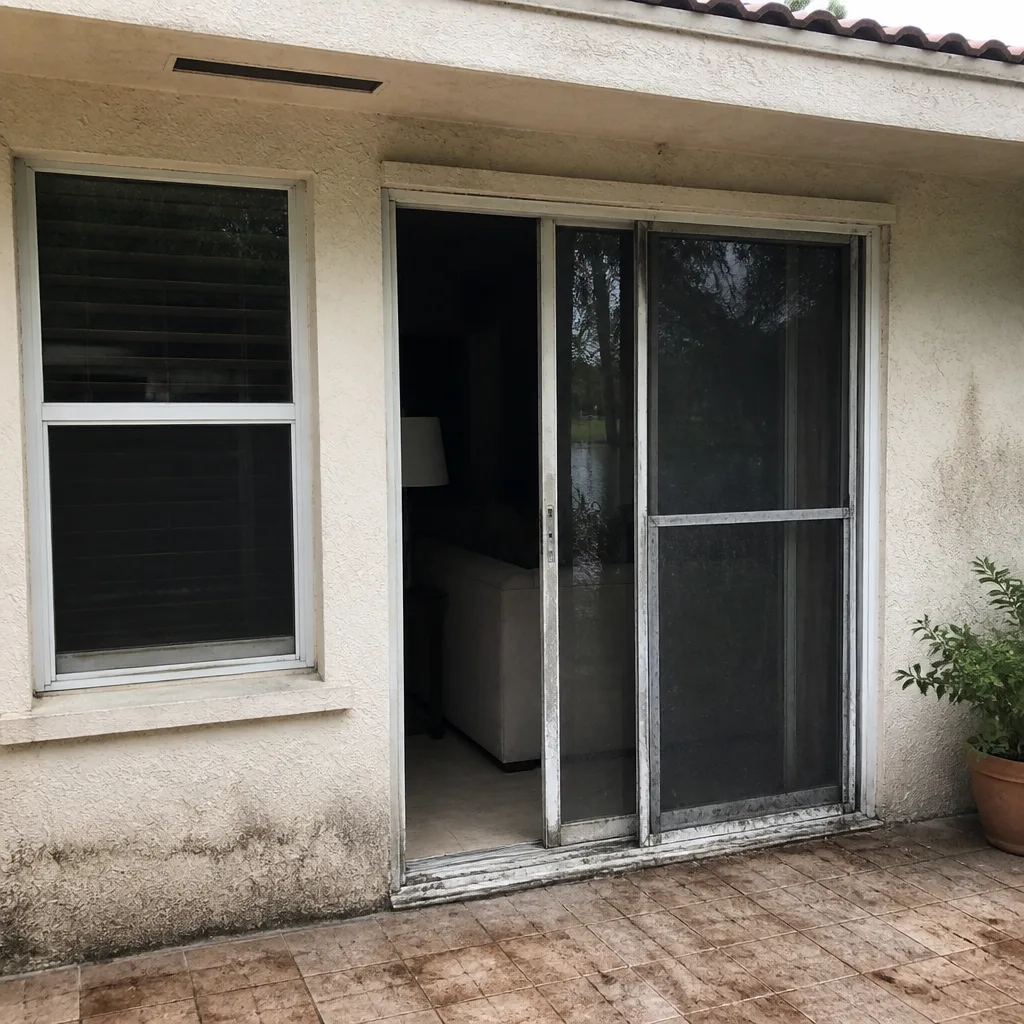
Sliding glass doors
Impact garage doorsPGTCGI
 Before
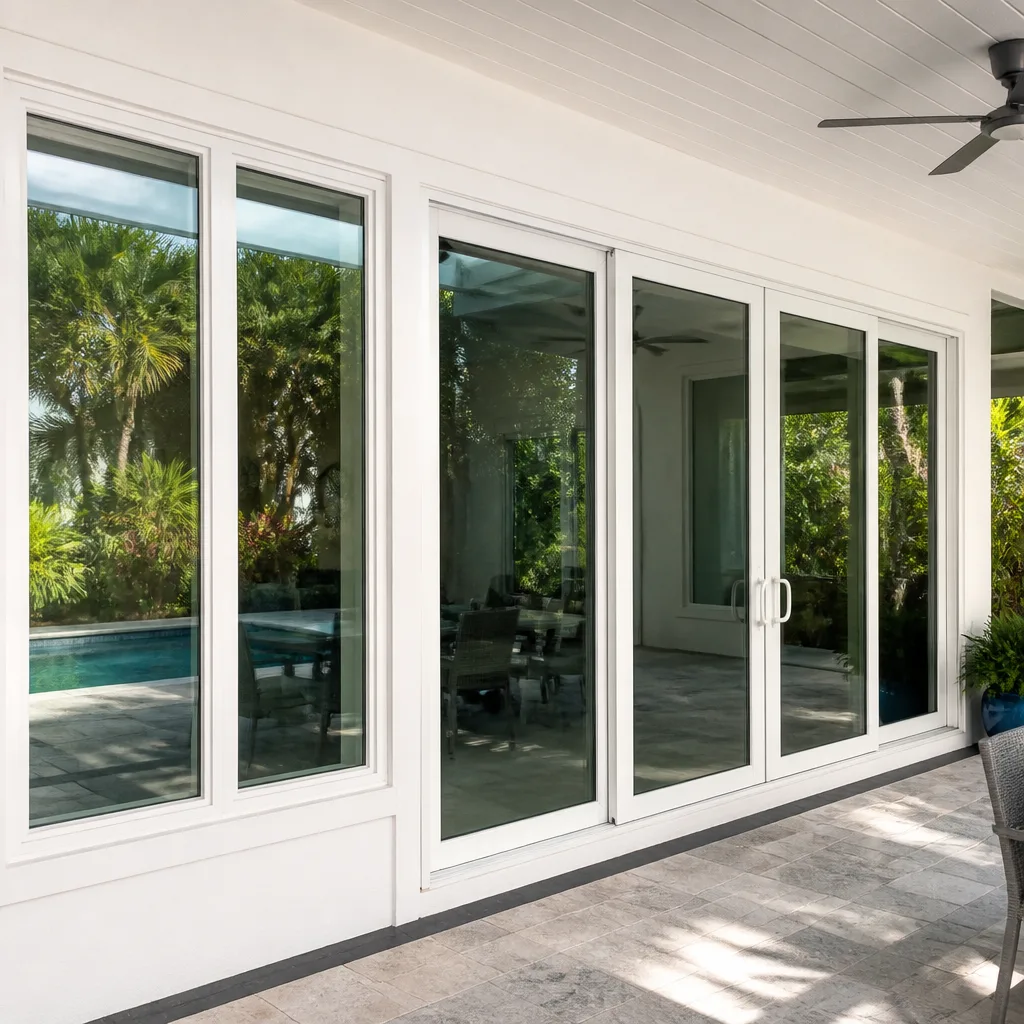 After
 Before
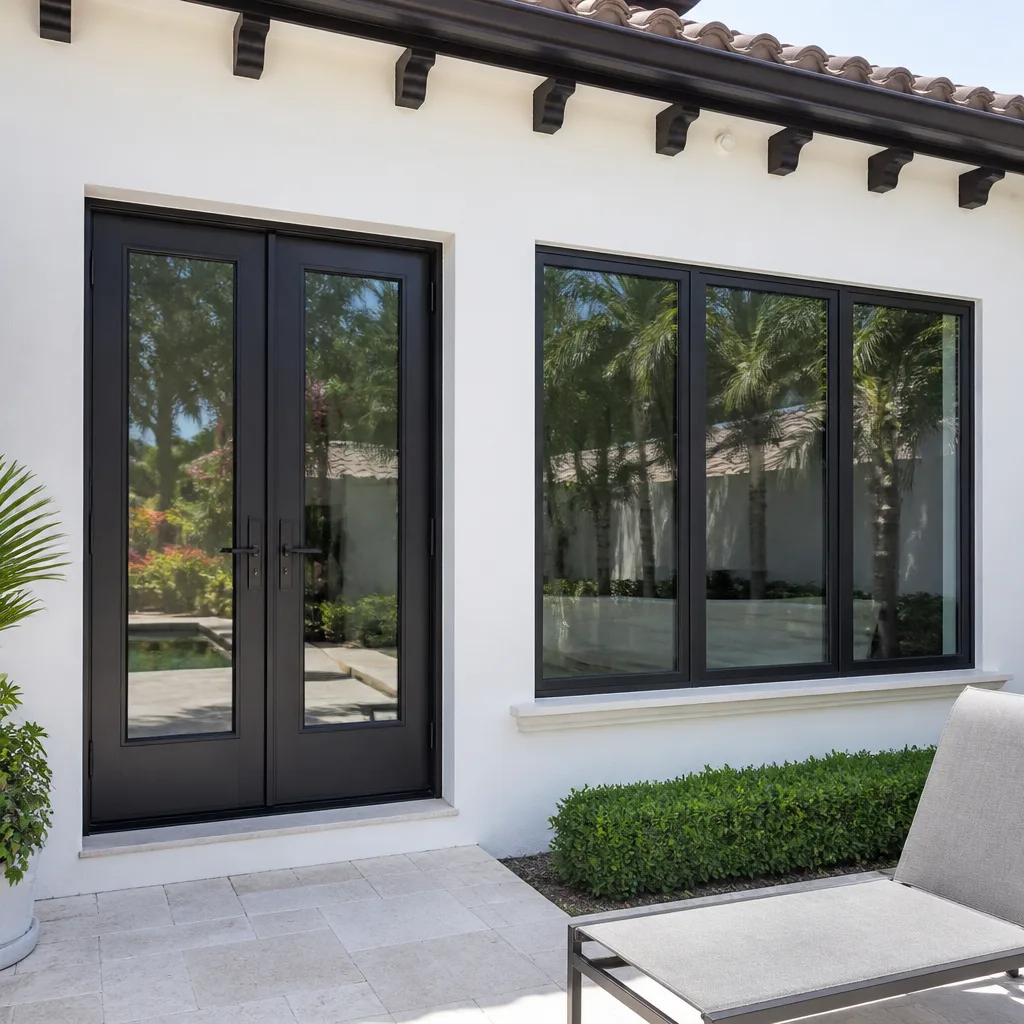 After
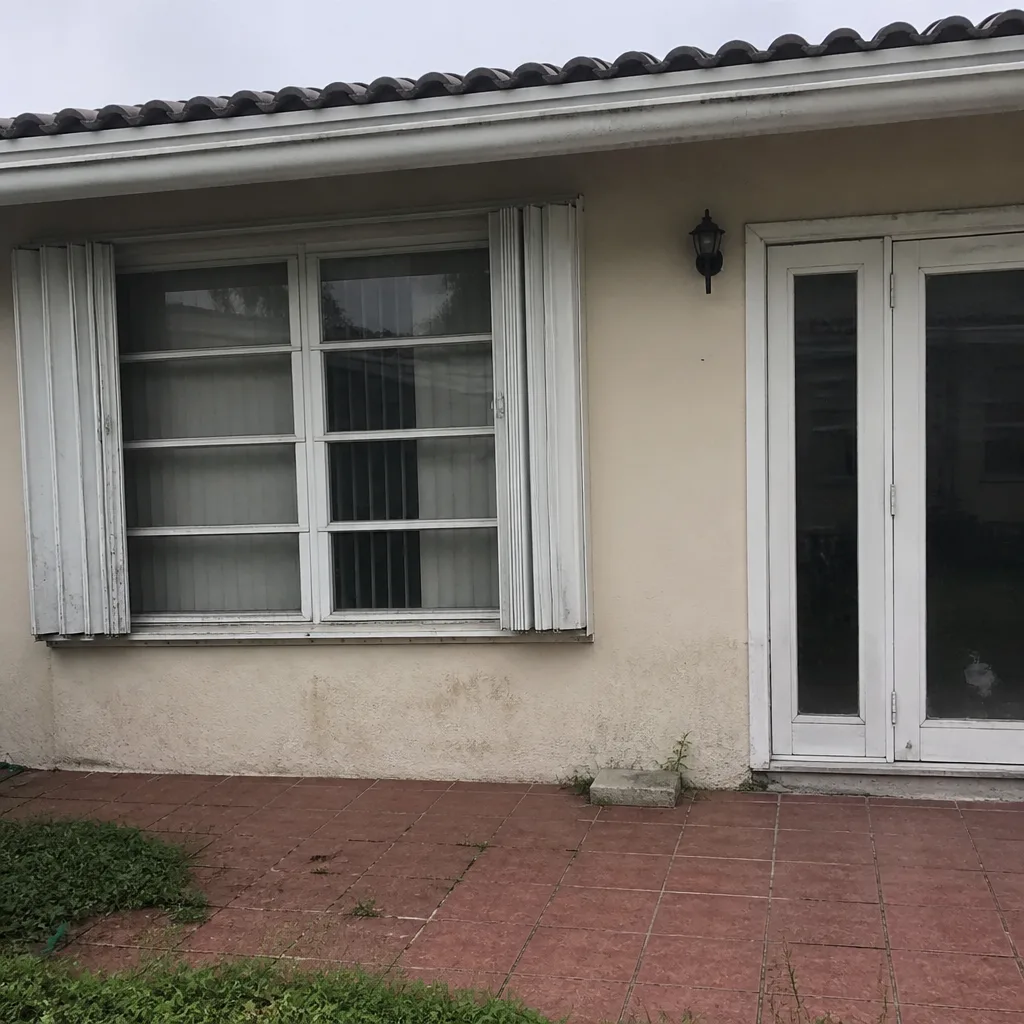 Before
 After
How to Measure a Window for Replacement in Delray Beach: The Numbers That Actually Matter
To measure a window for replacement, you need three numbers: the width and height of the rough opening (not the glass, not the trim), measured in three places each, and the depth of the frame pocket. Write down the narrowest width and the shortest height from your three passes, then round down to the nearest 1/8 inch. That is the number a manufacturer needs. If you’d rather skip the ladder and the math, TruePane measures twice on every job and we do it free with an estimate: call (561) 940-2917.
In Delray Beach, measuring is never just measuring. Your wall assembly, your lintel condition, and the wind zone you sit in all change the number before the window is ever ordered. We’ve measured thousands of openings in this city, and the measuring mistakes we fix most often start the same way: someone read a tape across the glass and called that the window size. It isn’t. The window size is what fits the hole in the wall. Get that wrong and you have a beautiful, expensive, impact-rated unit that doesn’t fit a single rough opening.
If you’re planning to replace windows in Delray Beach, get the number right the first time. Let’s walk through it the way we measure, then we’ll cover what changes locally.
What You’re Actually Measuring: The Rough Opening, Not the Glass
The rough opening is the framed hole in your wall that receives the new window. It has a width, a height, and a depth. Those three dimensions are all that matter until the install begins, and each one influences the other. A window that fits the rough opening width but is too deep for the wall pocket has to be shimmed, furred, or returned. A unit that’s too narrow leaves a gap that needs foam, backer rod, and a trim plan that hides the difference.
Width: Three Measurements Across
Measure inside the side jambs at the top, the middle, and the bottom. On a 1949 Delray Beach CBS home, those three numbers rarely match. Concrete block settles, especially in the sandy soil east of I-95, and a 60-year-old rough opening may be out by as much as 3/8 of an inch top to bottom. You measure three times and take the narrowest. That’s the number you’ll order against. If you only measure once in the center, you’ll order a window that’s too wide for the top or bottom and you won’t find out until it’s seated against the buck.
Height: Three Measurements Down
Same approach, left, center, right, from the top of the sill plate to the bottom of the head. Take the shortest. On ranch-era CBS construction in Delray Beach, we regularly see sills that were poured a touch out of level. A frame that’s level at one jamb can be 1/4 inch proud at the other. The shortest height is the honest one.
Depth: The Number Everyone Forgets
The depth of the wall cavity tells you whether a standard pocket will take the new frame. On a jalousie-to-impact retrofit, the old louver frame depth and the new PGT or CGI impact unit depth are often different by enough to require a sub-buck and interior casing. If the depth isn’t noted on the order sheet, the installer finds out standing in your living room holding a window that doesn’t sit flush. In our book, that means the measuring was never really done.
Why Delray Beach Measurements Are Different
Men in this town have shown us their own tape-measure work countless times, and the number they wrote down is usually right. What it’s missing is context. Delray Beach sits inside Palm Beach County’s High-Velocity Hurricane Zone, a windborne debris region that covers almost the entire city. Under Florida Building Code, any replacement window in this designation must be impact-rated or protected. Those units are heavier, deeper, and set differently than a standard single-pane replacement. A number that would work for a basic window in a north Florida inland county will bite you here because the product itself is built to a different thickness and installation method.
Then you add the historic districts. Del-Ida Park, Nassau Park, the Marina District: homes in these neighborhoods need Historic Preservation Board sign-off on window style, profile, and material before the permit will move. The HPB wants the replacement to look like the original. The county wants the impact rating. You satisfy both by sourcing a product like a marine-grade impact window in a profile that replicates the old architectural character, which means the depth, jamb width, and even the mullion profile all become part of the measuring conversation. In neighboring Boynton Beach or Boca Raton, that dual compliance burden largely drops away. In Delray Beach, it’s the reason we do side-by-side quotes in writing before anyone spends a dollar.
How to Measure a Window for Replacement: A Practical Walkthrough
This isn’t step-by-step DIY for the dangerous part. It’s what to look for before you call, and it becomes the basis for an intelligent quote conversation. Here is the sequence we follow when we measure an opening, whether it’s a stucco CBS ranch in Lake Ida or a 1970s townhome off Congress Avenue.
- Ignore the glass and the sash. The existing window is irrelevant to the rough opening measurement. Measure the wood or masonry jamb-to-jamb, not the vinyl track or the aluminum frame.
- Measure width at top, middle, bottom. Write all three down. Circle the narrowest.
- Measure height at left, center, right. Write all three down. Circle the shortest.
- Measure depth from drywall face to exterior block face. On CBS, this is your wall thickness. On frame construction, it’s the stud pocket depth.
- Check the sill for level and the jambs for plumb. A 2-foot bubble level is enough. If it’s off by more than 1/4 inch, write that down too.
- Shine a light into the jamb corners. Look for old shims, rot, or hollow pockets. In older Delray Beach homes, this is where the original window was shimmed with cedar that’s now compression-set.
- Write every note down on paper. If it’s not in writing, it’s not a guarantee - it’s a conversation.
On most Delray Beach homes, the measuring itself takes us 30 to 45 minutes per window because we’re checking the lintel, confirming the depth pocket against the actual product, and noting whether the egress or operation affects the order dimensions. Tight openings, brickmould conditions, and casement geometry all stack on top of the raw numbers.
Common Measuring Mistakes in Delray Beach Homes
We’ve seen every one of these on real job sites:
- Measuring the glass and not the frame. The most common error by far. The glass is never the rough opening.
- Ignoring the slope of an old CBS sill. A sill that drains properly toward the exterior is usually not a plane. The measurement to center versus corner changes the fit.
- Assuming a straight replacement is possible. In older Delray Beach homes, the rough opening itself often needs a new treated buck before the window can be seated. That changes the final dimensions against the order.
- Forgetting the wind zone. If the unit isn’t impact-rated for the HVHZ, it can’t be permitted, no matter how well it’s measured. We quote PGT, CGI, and ES Windows side by side for this reason, with both warranty layers stated before the technician leaves.
- Not measuring for the retrofit fit when the wall assembly is being updated. In a CBS wall, the original opening was likely furred and stuccoed. The new impact window’s flange and trim pack-out all stack onto the depth dimension.
What a Delray Beach Window Replacement Measurements Mean for Cost
The short version: your measuring effort doesn’t just prevent a bad order. It drives the price. A standard 36×60 single-hung or fixed replacement will typically fall somewhere under $1,000 when the opening is square, level, and already in a standard size. The moment the opening is out of plumb, the depth is nonstandard, or the unit needs a custom profile for HPB sign-off, that price moves. Here’s how the pricing ranges break down in Delray Beach for typical situations we quote:
| Window Condition | Typical Range in Delray Beach |
|---|---|
| Standard opening, standard size, non-impact | $450-$800 installed |
| Standard opening, non-impact, full-frame replacement | $650-$1,100 installed |
| Impact-rated (PGT or CGI) in a standard opening | $900-$1,400 installed |
| Impact-rated + custom size or HPB review | $1,400-$2,400 installed |
| CBS jalousie or awning replacement with retro frame | $850-$1,600 installed |
These are rough planning ranges, not quotes. Every opening is different and the exact number depends on what the wall is doing. TruePane does free measurements with an estimate and the price is on paper before any work is ordered. Call (561) 940-2917
When to Skip the DIY Measuring Altogether
There’s a version of this job where your own measurement is genuinely enough: a single window, a standard size, a home built in the last 20 years, and a product you’re buying off the shelf from a Big Box. If that’s the case, the method above will keep you from ordering the wrong unit. But Delray Beach east of I-95 isn’t a 20-year-old standard world. The stock here is 1940s-1960s CBS with original single-pane jalousie and awning frames, masonry openings that need lintel inspection, and salt-air oxidation on the aluminum that means the original frame depth isn’t what it used to be. Measuring around rotted frames or compression-set shims gives you a number that looks good on paper and fails at the wall.
And if the home is in a historic district like the Delray Beach Marina District, the measurement is only part of the compliance. The HPB packet, the structural notes, and the wind-zone product selection all have to agree. That’s the kind of measuring we do every week.
FAQs
You need the rough opening width, the rough opening height, and the frame pocket depth. Measure each linear dimension three times and use the narrowest width and shortest height from those passes, rounding down to the nearest 1/8 inch. In Delray Beach, add a fourth check: whether the opening is in the High-Velocity Hurricane Zone, which changes the product and the frame depth needed.
Yes, for a standard window in a newer home where the opening is square and the size isn’t custom. Measure the rough opening at three points in each direction and write down the smallest. If your home is 1940s-1960s CBS with original jalousie frames, or inside a historic district like Del-Ida Park or the Marina District, have a professional measure because the lintel condition and HPB compliance are part of the number. Call (561) 940-2917 and we’ll measure it for free.
A standard non-impact replacement on a square opening runs roughly $450-$800 installed, while an impact-rated unit in a standard opening typically runs $900-$1,400. Custom sizing, historic district approval, or a CBS retro frame can push the number to $1,400-$2,400. The measured opening drives the entire quote, which is why we measure twice and quote the manufacturer lines side by side on paper before you commit.
Almost always, yes. Delray Beach sits inside Palm Beach County’s High-Velocity Hurricane Zone windborne debris region, so any permitted replacement window must be impact-rated or protected. That applies to the house, not just the condo tower: a single-family home east of I-95 in Lake Ida or along A1A is under the same wind-zone requirement.
Get the Measurement Right and the Window Will Follow
TruePane Windows & Doors measures every opening twice, quotes in writing, and registers both warranty layers before we leave the driveway. We serve Delray Beach with a live person answering the phone 24 hours a day, and we stand behind every job with the Done Right Promise. If you’d rather have it measured by people who’ve done this along Atlantic Avenue and the historic districts for decades, call (561) 940-2917 for a free, no-pressure assessment. Or start with a look at our home page and our dedicated Window Installation service page, then stop by our Window Installation in Delray Beach page. We’ll bring the tape, the level, and the paperwork.
Written by TruePane Windows & Doors, TruePane Windows & Doors at TruePane Windows & Doors, serving Delray Beach, FL.
Six Reasons Homeowners Choose TruePane Windows & Doors
Impact systems engineered to design pressures up to +/-100, matched to your wind zone - your openings hold when the storm arrives.
Low-E insulated impact glass from our manufacturer lines commonly cuts monthly cooling bills 20-30%.
Laminated impact glass shuts out up to 40% of outside noise - traffic, neighbors, weather.
Monitoring services run $30-90 a month. Laminated impact glass resists forced entry around the clock, with no subscription.
Florida homeowners average around 25% savings on the windstorm portion of their policy after protecting every opening - some homes qualify for more.
A full impact package upgrades curb appeal, buyer confidence and appraised value in one project.